
When summertime hits and you want to have fun in the sun, it’s crucial to use a high-quality sunscreen for protection. Even with the best sunscreen, though, the sun can take its toll on your skin. You don’t need to have a full-on sunburn to have a post-sun recovery routine. Rather than relying on a long list of products, focus on a handful of well-researched ingredients that help support your skin after sun exposure.
Prevention is just as important as post-sun skincare. Applying daily sunscreen and sun protection helps reduce UV exposure and protect your skin from further sun damage.
Copy HTML anchor
High-quality skin-brightening serums and professional grade skincare products typically contain one of these four golden standard skincare ingredients to consider:
- Grapeseed Oil
After a day in the sun, your skin from head to toe will be more sensitive, and the moisture barrier will be compromised from UV exposure. Skin care experts advise avoiding harsh cleansers in the shower and when washing your face and neck. Scrubbing or exfoliating formulas can further inflame your sun-sensitive skin and strip it of its natural oils and lipids.
Instead, try a cleansing balm or cream that features a plant-based oil to remove makeup and sunscreen, replenish moisture and promote smooth, radiant skin. Grapeseed oil is a lightweight plant oil that’s commonly included in skincare products because it’s rich in antioxidants like vitamin E and absorbs quickly without leaving a greasy residue.
Grapeseed oil is also rich in omega-6 fatty acids, and this makes it superb for effective cleansing, hydrating the skin and locking in moisture.
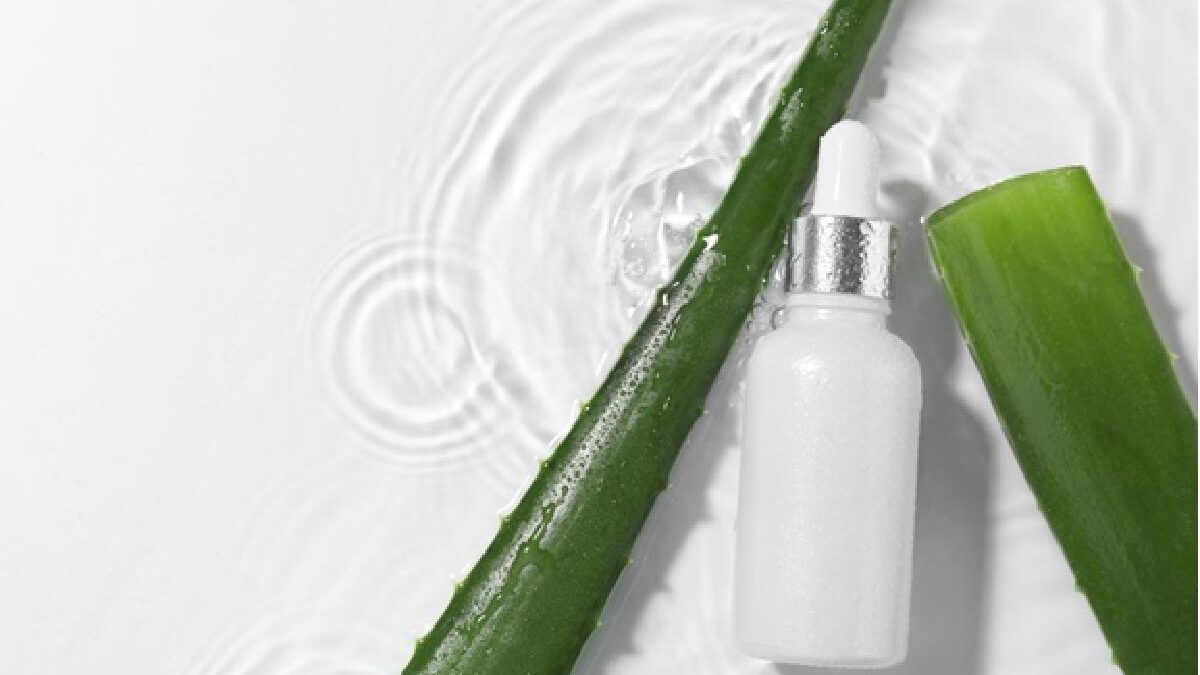
- Aloe Vera
This tropical medicinal plant has been around for thousands of years and has been used to soothe and help heal wounds and burned skin. You will find aloe vera in many of today’s modern skincare formulas. Although the latest studies have shown that it might not quite reverse sun damage, clinical trials have found aloe vera to naturally contain anti-inflammatory, skin-protective, anti-bacterial, anti-viral and antiseptic properties which help soothe the skin and support its natural moisture barrier after UV exposure.
Apply a thin layer of aloe vera gel or cream to dry skin after cleansing. It has an amazing, cooling sensation and can hydrate without feeling heavy. It will feel sticky to the skin, but that goes away as your pores fully absorb the ingredient.
- Retinol
Retinol can help promote cell turnover to fight wrinkles, fine lines, and sun damage. It is a derivative of vitamin A that has been around for decades, becoming quite common in a variety of skincare products.
Retinol is one of the most widely recommended over-the-counter ingredients for improving the visible signs of aging and sun damage. Retinol is great at fighting acne, reducing wrinkles, reversing sun damage and shrinking pores. It does its best work while you sleep as it refines and smooths. Its cousin is prescription retin-A, but this active ingredient can be particularly rough on sensitive skin and, sometimes, difficult to tolerate.
Aloe vera plays well with active ingredients like retinol for post-sun skin recovery. Skin care professionals say to apply a high-quality retinol skincare product on top of your dried aloe vera layer. This ensures a moisture-rich buffer that helps reduce irritation on sensitive skin so that you get the active’s benefit without a flare-up.
There’s real science and research behind the power of retinol skincare. A clinical trial discovered that “84% of women between the ages of 40 and 55 saw improvement in the appearance of their dark spots after one year of retinol use.”
The anti-aging ingredient also addresses dull skin after sun exposure, age spots, collagen loss and skin laxity. Over time, a retinol formula can help lead to a more radiant complexion.
- Vitamin C
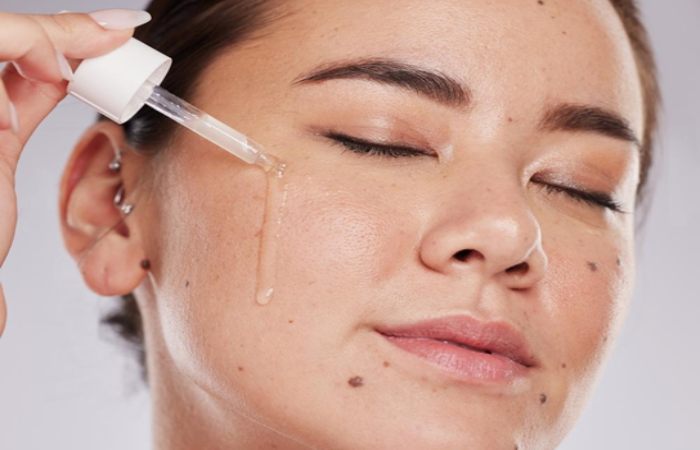
Used in a variety of skin-brightening serums, topical vitamin C is another must-have in your daily beauty routine. It is a powerhouse ingredient in the anti-aging industry and for good reasons. A topical vitamin C skincare serum can brighten your complexion and balance your skin tone, especially when it is paired with other hydrating actives such as hyaluronic acid. The results are plumper, bouncier skin.
Vitamin C as a topical has been studied quite extensively. It is an ideal ingredient to choose in a skincare product, especially when applied every morning after cleansing and for post-sun skin recovery. Topical vitamin C helps defend against UV-generated free radicals and supports the skin’s natural repair processes after sun exposure. This, in turn, reduces cellular inflammation. This antioxidant also protects the skin’s structure and stimulates the synthesis of new collagen.
It’s important to find the right vitamin C serum for your skin, because the most effective formulation often depends on your skin type, sensitivity level, and overall skincare routine. If you’re unsure which choice is best for you, speak with your dermatologist for more tailored advice.
It’s Simple: 4 Skincare Ingredients
Some people line up their vanities with dozens of skincare products, but dermatologists say that a simple routine with effective ingredients is always best. It’s almost impossible to avoid the sun, especially during summertime when everyone wants to experience outdoor fun. Whether you’re a skincare enthusiast or newer to beauty products, even just a short post-sun routine can deliver results.
If tanning or uneven skin tone is a concern after sun exposure, you can explore our guide to the O3+ D-Tan Pack for tanning concerns to learn about the product, its intended use, and application considerations.
Copy HTML anchor
After sun exposure, be kind to your skin. Choose a gentle cleanser with grapeseed oil, and after, apply aloe vera to soothe the skin. At night, choose a topical serum or cream with retinol, and in the daytime, apply a skincare product that contains Vitamin C before heading out the door, or put on a skin brightening serum.
Healthy-looking skin isn’t about avoiding the sun entirely; it’s about supporting your skin before and after exposure. A routine built around a few well-chosen ingredients can help soothe, hydrate, and protect your skin while supporting long-term skin health. Alongside caring for skin after sun exposure, it is useful to understand other environmental factors that may affect skin health. Read our guide to protecting your skin in the digital age for more information about screen-emitted blue light and skincare.
Copy HTML anchor
