
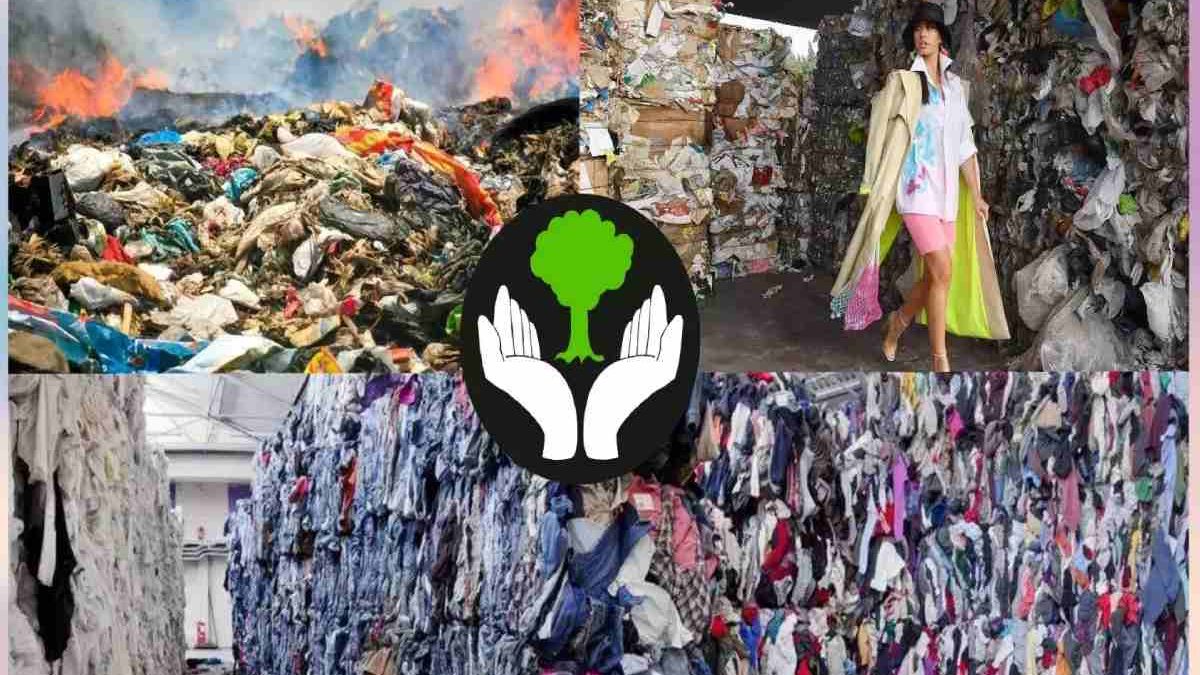
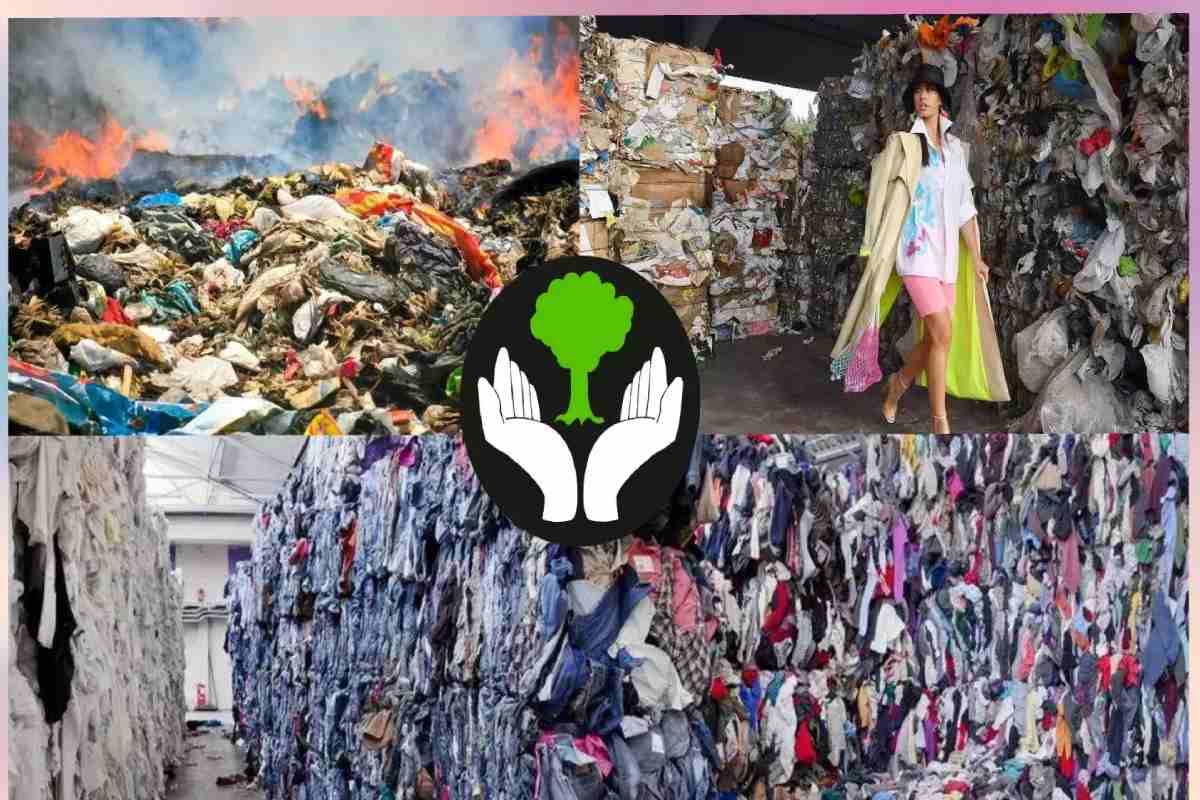
- Resource Intensive Production: Fast fashion consumes enormous amounts of resources. For instance, it takes about 2,700 liters of water to produce a single cotton shirt. Enough to meet the average person’s drinking needs for 2.5 years.
- Pollution: The fashion industry is a major contributor to pollution. Textile dyeing is the second largest water polluter globally. Moreover, the production process often involves toxic chemicals. These can harm both the environment and the workers.
- Waste and Landfills: Fast fashion encourages a ‘throw-away’ culture. Low-quality, trend-driven items are quickly discarded, leading to massive amounts of textile waste. In the U.S. alone, approximately 11 million tons of clothing are thrown away each year.
- Carbon Emissions: The global fashion industry produces a significant portion of the world’s carbon emissions. From manufacturing to transportation, each stage contributes to the carbon footprint.
Affording Fashion While Being Green
- Buy Less, Choose Well: Instead of frequently buying new items, invest in fewer, high-quality pieces that last longer. This not only saves money in the long run but also reduces waste and environmental impact.
- Support Sustainable Brands: Many brands are now focusing on sustainable and ethical fashion. Supporting these companies helps promote a more responsible fashion industry.
- Second-hand and Vintage: Buying second-hand or vintage clothing is both eco-friendly and economical. It extends the life cycle of garments and reduces the demand for new production.
- Clothes Swapping: Swapping clothes with friends. Or through organized events is a fun and green way to refresh your wardrobe without buying new items.
Raising Awareness
- Education and Advocacy: Informing others about the impact of fast fashion can be done through social media, blogs, or community events. Education is a powerful tool for change.
- Supporting Legislation: Advocating for laws that regulate the fashion industry’s environmental practices. And protect workers’ rights is crucial.
- Collaborating with Influencers: Influencers and celebrities can play a significant role in raising awareness. Their endorsement of sustainable fashion can influence public opinion and consumer behavior.Fashion shows play an important role in introducing new designs and influencing seasonal buying habits. Understanding how a fashion show shapes trends can also help consumers think more critically about the constant cycle of new collections.
Human Rights and Fast Fashion
- Labor Exploitation: The fast fashion industry often relies on cheap labor in developing countries. Workers in these factories frequently face exploitation, unsafe working conditions, and minimal wages.
- Child Labor: In some cases, the demand for cheap labor leads to the use of child labor, which is both unethical and illegal.
- Health Risks: The toxic chemicals used in clothing production can have severe health impacts on workers. Inadequate safety measures and exposure to hazardous materials put workers at risk.Choosing longer-lasting clothing can be one way to reduce the need for frequent replacement. For seasonal inspiration, explore these leather fashion trends for winter, while also considering durability, care requirements, and the overall lifecycle of each piece.
How to convince teenagers this is not a sweet bananza?
The key is to embrace sustainable and budget-friendly practices. Firstly, investing in quality over quantity is crucial. Encourage teenagers to choose timeless pieces. That are more durable and can be mixed and matched to create various looks. This approach minimizes wasteful spending and reduces the need for constant replacements.
Second-hand shopping is another excellent strategy. Thrift stores, consignment shops, and online platforms offer a treasure trove of stylish, affordable options. This not only saves money. But also promotes the recycling of clothing, reducing the environmental footprint. Teenagers often find unique and vintage items in these outlets, allowing them to express their individuality while being eco-conscious.Not every fashion trend needs to involve buying something new. The ongoing popularity of 90s hip-hop fashion demonstrates how older styles can return and be reinterpreted rather than disappearing completely.
Organizing clothes swaps, either within your community or with friends and family, is a fun and economical way to refresh wardrobes. These events can turn into social gatherings. Where teenagers exchange clothes and accessories, keeping their wardrobes fresh without buying new items.One simple way to reduce textile waste is to extend the life of clothing you already own. Instead of immediately replacing older pieces, consider reusing your old clothes through restyling, alterations, upcycling, or creative layering.
Lastly, teaching teenagers to care for their clothing properly. Extends the life of each garment. Simple practices like washing in cold water, air drying, and mending small damages can significantly prolong the life of clothes, making sustainable fashion a practical and fashionable choice for budget-conscious parentsTaking proper care of clothing can help garments last longer and reduce the need for frequent replacement. Following these fashion tips to take care of your clothes can be a practical part of building a more sustainable wardrobe.
