
Dandruff bothers many people around the world. Almost half of grown-ups deal with it sometime. It makes your scalp itch, flake, feel irritated, and look bad on clothes. Good news: it’s not catchy or harmful. You can fix it with right care. This guide explains all about dandruff in easy words. We cover what it is, why it happens, signs, fixes, good shampoos, ways to stop it, and tips from experts.
Table of Contents
What Is Dandruff?
Dandruff means white or yellow bits of dead skin fall from your scalp. You see flakes in hair or on shoulders. Scalp often itches and feels dry. It’s like seborrheic dermatitis but milder—no big swelling.Dandruff is a common scalp concern that can cause visible flakes, itching, dryness, or irritation. Understanding the condition and its common triggers can make it easier to choose an appropriate hair-care routine. Learn more about what dandruff is and what causes it before deciding how to manage recurring flakes.
Who suffers from this hair problem?
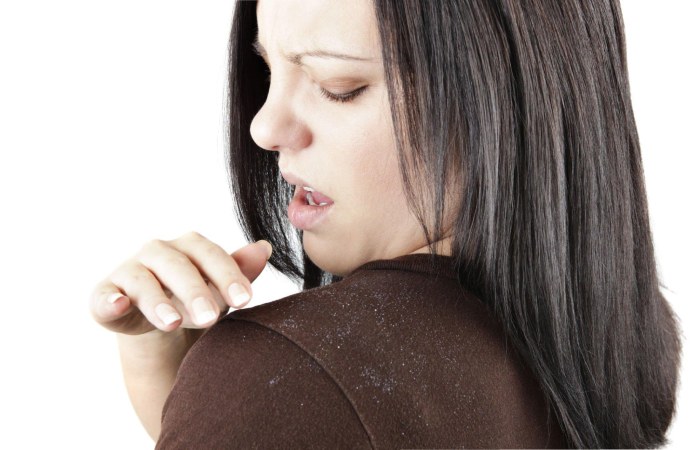
Dandruff usually begins after puberty , because during adolescence hormone concentrations are higher and the body produces more oil (due to greater activity of the sebaceous glands). For this same reason, it is strange that dandruff is present in children and the elderly, although it is common in adulthood.Excess oil on the scalp can make hair feel greasy and may contribute to buildup that makes flakes more noticeable. If your hair becomes oily shortly after washing, understanding how to manage greasy hair and excess scalp oil can be an important part of your overall hair-care routine.
It is also more common in men than in women and, likewise, people with immune system problems or neurological conditions such as Parkinson’s are more likely to suffer from it.
What Causes Dandruff?
Dandruff comes from mix of things. Here’s why:
-
Malassezia Yeast Too Much
This fungus lives normal on scalp. It eats scalp oils. Too much makes skin cells die fast and flake. -
Too Much Oil
Oily scalp feeds the yeast. More oil, more flakes. -
Dry Skin
Cold air or low wetness dries scalp. Skin peels like dandruff. -
Product Leftover
Thick gels or sprays clog scalp. Irritates and flakes. -
Bad Reaction to Products
Strong smells or chemicals make scalp red and itchy.
Dandruff vs Dry Scalp (Comparison )
| Feature | Dandruff | Dry Scalp |
|---|---|---|
| Flake Type | Big, oily bits | Tiny, dry bits |
| Scalp Feel | Greasy, itchy | Tight, no oil |
| Main Cause | Yeast + oil problem | Not enough wetness |
| Best Fix | Anti-yeast shampoo | Moisturizing care |
Symptoms of Dandruff
-
White/yellow flakes on hair/clothes.
-
Scalp itches bad.
-
Red or sore spots.
-
Greasy scalp patches.
-
Flakes on shoulders.
Bad signs mean see skin doctor.
How Common Is Dandruff?
By Age Group:
| Age Group | % Who Get It |
|---|---|
| Teens (13–19) | 40% |
| Adults (20–40) | 50% |
| Adults (40–60) | 35% |
| Seniors (60+) | 20% |
Medical Treatments for Dandruff
Choosing the right shampoo is an important part of managing dandruff. Some people may prefer a specially formulated anti-dandruff product rather than a regular shampoo. If you are considering this type of product, read our guide to Sebamed Anti-Dandruff Shampoo to learn more about its use and features.
Skin doctors suggest shampoos with special stuff:
-
Ketoconazole
Kills yeast. Good for bad dandruff. -
Zinc Pyrithione
Stops fungus/bacteria. Safe daily. -
Selenium Sulfide
Slows dead skin. Cuts itch. -
Coal Tar
Stops fast skin shed. For long-term. -
Salicylic Acid
Scrubs flakes. Clears thick buildup.
Best Anti-Dandruff Shampoos (2026 Guide)
| Product Type | Best For | Key Ingredient | Price Range |
|---|---|---|---|
| Clinical Strength | Bad dandruff | Ketoconazole | $15–$30 |
| Everyday Control | Light dandruff | Zinc Pyrithione | $8–$20 |
| Oily Scalp | Greasy flakes | Selenium Sulfide | $10–$25 |
| Natural Formula | Sensitive scalp | Tea Tree Oil | $12–$25 |
| Exfoliating | Heavy buildup | Salicylic Acid | $10–$20 |
Beauty & Lifestyle Tips to Control Dandruff
Fixes work better with habits:
-
Wash Often
Oily scalp? Shampoo 3-4 times week. -
Cut Stress
Worry makes scalp worse. -
Skip Heavy Products
No alcohol sprays/gels. -
Eat Right
Need zinc, B vitamins, omega-3 fats. -
Get Sun
Little sunlight slows yeast.
Natural Remedies: Do They Work?
Some try home stuff for light cases:
-
Tea Tree Oil: Fights fungus.
-
Apple Cider Vinegar: Balances scalp acid.
-
Aloe Vera: Calms itch.
-
Coconut Oil: Adds wetness.
Bad dandruff needs doctor shampoo.
Dandruff Treatment Timeline (What to Expect)
A consistent hair-care routine can also support a healthier scalp and help prevent unnecessary irritation. Along with using suitable products, pay attention to how you wash, dry, brush, and condition your hair. For more practical advice, explore these hair care tips to keep your hair healthy.
| Week | What Happens |
|---|---|
| Week 1 | Less itch |
| Week 2 | Fewer flakes |
| Week 3–4 | Much better |
| After 1 Month | Keep light use |
Case Study: Rise in Scalp Care Awareness (2022–2026)
Past years:
-
Dandruff shampoo searches up 35%.
-
Scalp oils/exfoliators popular.If your scalp has product buildup or excess oil, you may wonder whether scalp exfoliation can help. However, exfoliating too frequently or scrubbing aggressively can irritate the scalp. Before adding this step to your routine, learn how often you should exfoliate your scalp and how to approach it gently.
-
People want no-sulfate med shampoos.
-
Trust doctor brands more.
Trend Data:
| Year | Awareness % |
|---|---|
| 2022 | 30% |
| 2023 | 38% |
| 2024 | 45% |
| 2025 | 52% |
| 2026 | 60% |
When to See a Doctor
Go if:
-
No better after 4 weeks.
-
Red/swollen bad.
-
Hair falls out.
-
Flakes on face/beard.
May need strong medicine.
Preventing Dandruff Long-Term
While focusing on scalp health, remember that the lengths and ends of your hair need care too. Frequent washing, heat styling, chemical treatments, and rough handling can contribute to dryness and damage. Following suitable hair-care practices can help reduce problems such as split ends.
-
Keep scalp clean.
-
Mild shampoo between strong ones.
-
No hot water washes.
-
Less heat tools.
-
Moisturize scalp lightly.
Myths About Dandruff
Myth: Bad washing causes it.
Truth: Yeast problem main cause.
Myth: Oils fix it.
Truth: Too much oil feeds yeast.
Myth: Scratch clears forever.
Truth: Makes worse.
Pros and Cons of Medicated Shampoos
Pros:
-
Tested by science.
-
Works fast.
-
Hits real cause.
Cons:
-
Can dry hair.
-
Strong chemicals.
-
Use ongoing.
Frequently Asked Questions
Is dandruff forever?
No, control it but comes back sometimes.
Causes hair loss?
Bad swelling might thin hair short-term.
Catch it?
No.
Wash how often?
2-4 times week by scalp type.
Diet helps?
Yes, missing nutrients worsens.
Conclusion
Dandruff comes from yeast too much, oil mess, and outside things. Pick right shampoo, clean scalp, change habits to win. Light cases fix easy at home. Bad ones need doctor help. Healthy scalp means good hair—learn and beat dandruff.
Disclaimer
This is expert info only. Not doctor advice. Bad scalp? consult skin expert.
