
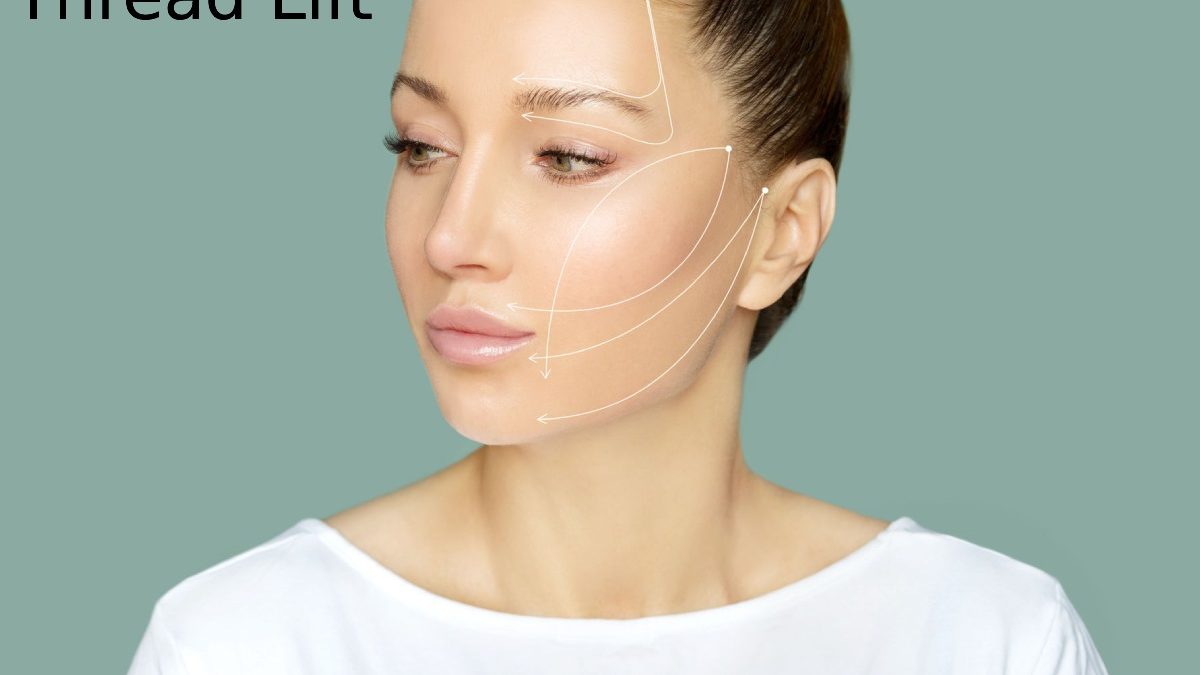
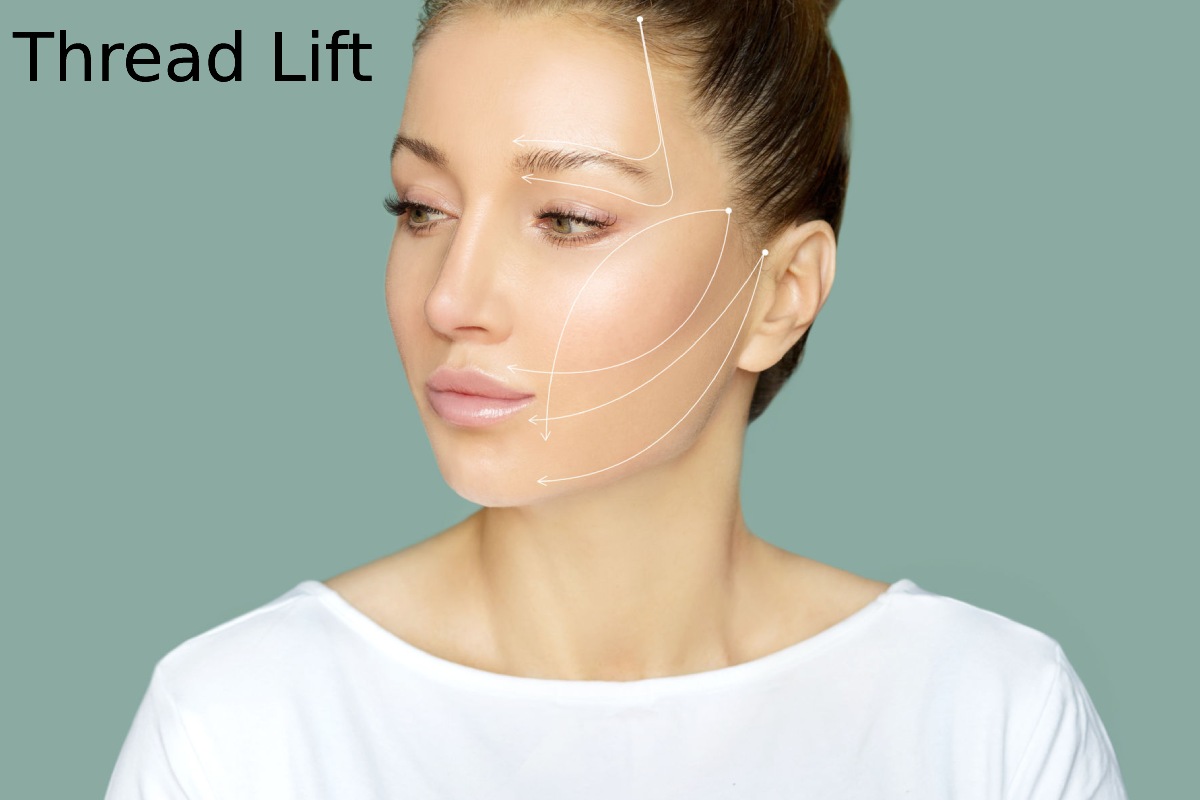
Thread Lift – Skin sagging is considered one of the leading causes of skin aging on the face and body. There are surgical options to counteract this, but they are pretty invasive and carry certain risks
Table of Contents
What Is A Thread Lift?
A thread lift is a non-surgical procedure in which polydioxanone threads (PDO) (= absorbable barbed threads) are used to remove, e.g., B. to make a face, neck, or décolleté look firmer and more youthful. Then, the fine lines are placed under the skin under local anesthesia to pull up the various tissues. It leads to a lifting, tightening, and smoothing effect.
PDO threads are completely soluble. From the moment the thread is inserted until it dissolves, the skin at the site of the PDO thread produces its collagen. It rejuvenates and tightens the skin.
A thread lift is one of several aesthetic treatments people consider when they want to enhance their appearance without undergoing traditional surgery. Other cosmetic procedures focus on specific facial features. For example, people interested in enhancing lip volume can explore different lip augmentation types and their potential side effects before deciding which option suits their goals. Each procedure has its own benefits, limitations, and recovery considerations, so professional guidance is important.
A Suitable Candidate For A Thread Lift
- Marionette lines, deep nasolabial folds, and wrinkles
- Sagging cheeks or jaw lines.
- Looking sad or tired due to sagging cheekbones or eyebrows
- Uniform sagging of the skin on the legs, arms, or abdomen.
People considering facial enhancement may also be interested in treatments that highlight their eyes and eyebrows. Comparing eyelash extensions versus lash lifting can help readers understand the differences between adding lash length and enhancing the natural lash curl. For those looking to define their brows, eyebrow micropigmentation is another cosmetic option worth researching. These treatments address different beauty goals and are not substitutes for a thread lift.
How Does A Thread Lift Work?
After a consultation with our aesthetic doctor, your treatment plan will be drawn up. The area to be treated will be given a local anesthetic so you can be treated comfortably.
Advantages
- Firming and lifting effect with immediate results.
- Especially suitable for the face, and neck.
- No incisions are required; therefore, no scarring.
- You can resume your social activities immediately after treatment.
- After the treatment, you will have practically no pain.
- Low risk of complications.
- Fast healing.
Disadvantages And Complications
- Bruises on the numbed areas.
- Slight irregularities on the skin can be caused by small hematomas or uneven pulling of a thread. Your aesthetic medicine doctor can quickly remedy it.
- An infection can occur in exceptional cases (reddening, pain, warmth). Please get in touch with your aesthetic medicine doctor for further advice.
- The result is not permanent.
Before choosing any cosmetic procedure, it is important to understand the potential risks, healing process, and aftercare requirements. This principle also applies to other skin-related procedures, including tattoo removal methods and aftercare. Although tattoo removal and thread lifting are different treatments, both require realistic expectations and appropriate professional guidance to help minimize complications.
Thread Lift Aftercare – Cool Down, Rest, And Relax For Three Weeks
Of course, we will explain the exact procedure to you and accompany you immediately after the thread lift. Our experts will show you how you should behave in the time after the process so that the result is optimal in the end.
Following a suitable skincare routine can help keep the skin clean and comfortable during everyday care. Men who want to improve their skincare routine can explore these facial kits for men to learn about cleansing, exfoliation, and moisturizing options. However, after a thread lift, follow your treating clinician’s instructions and avoid facial scrubs, massages, or other products and treatments until you are advised that they are appropriate.
Immediately After The Treatment
Avoid touching the treated areas immediately after the thread lift. It increases the chances of a complication-free healing process.
The First Evening After The Treatment
Occasionally, the face’s redness, bruising, and swelling may occur after the treatment. To counteract these effects or to alleviate them, the skin on the affected areas can be carefully cooled with compresses. Anti-inflammatory painkillers can be taken to relieve any pain. A slight burn is also possible. These reactions are common and will subside. If you show unusual reactions, you can contact us at any time. You should put your head up for the first night and sleep on your back.
The First Five Days After Treatment
The skin around the treated areas should not be massaged or subjected to intense pressure in the first five days after the thread lift. As far as possible, we recommend avoiding strong facial movements when laughing, yawning, or similar facial movements. Regular facial expressions are, of course, not a problem.
The Following Two Weeks, Three Weeks After The Thread Lift
Visits to the beauty salon are possible again two weeks after the procedure. Finally, three weeks after the thread lift, the threads are in such a stable place that the break for all sports can be ended, and you can be active in your everyday life again. The end-of-thread lift aftercare can be sealed with a smile all over your face.
Beauty routines can also include non-invasive ways to express personal style, particularly for weddings, celebrations, and other special occasions. If you are exploring beauty ideas beyond aesthetic procedures, take a look at these simple and beautiful front-hand mehndi designs for inspiration. Whether you prefer traditional body art or cosmetic treatments, choosing options that match your personal style and comfort is key.
Conclusion
Thread lifting can successfully counteract this natural process. This modern non-surgical technique removes completely degradable threads in the connective tissue to stimulate the body’s collagen formation. As a result, the skin gains volume and elasticity, facial features tighten, and natural facial expressions are preserved. Thread lifting is, therefore, a non-scalpel facelift method. However, there are potential complications with this method as well. For example, there are reports that threads have broken during thread lifts.