

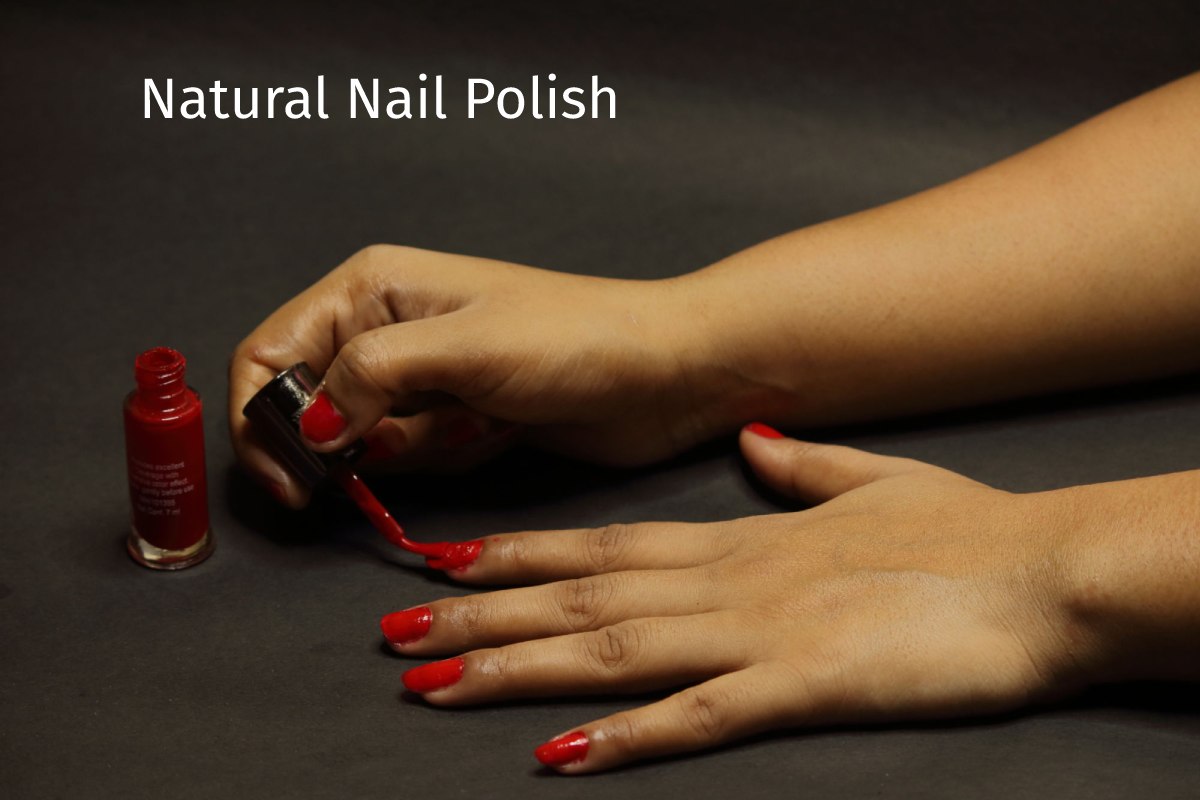
Natural Nail Polish – We’re not going to go there in 4 ways, but what helps most of our nail polishes to be so perfect are the solvent-type chemicals, also used in classic paints, which give this smooth appearance and make them so easy to apply a few gestures and brush strokes. But, of course, it wasn’t always like that. Varnish has been around in China since about 3000 BC. Under the Ming dynasty, nail polish was then made with natural ingredients:
- Beeswax,
- Egg whites,
- Gelatin,
- Vegetable dyes
- Gum arabic.
Moisturizing your hands and cuticles can help keep the skin around your nails soft and comfortable. Avocado oil is used in some skincare and cosmetic products because it contains fatty acids and other naturally occurring compounds. Although it is not a substitute for nail polish, it may be a useful ingredient in a complementary hand-care routine. Learn more about avocado oil’s chemical composition and cosmetic products.
Modern-day nail polish is quite different! Raise your hand if you’ve ever tried to remove semi-permanent gel polish. Only to find that you’re also removing some of the keratin from your nail. Have you ever pulled your nail polish to see that your nails now look yellow? Yes, manicuring can wreak havoc on your nails, and even more so because of the harmful chemicals that are the basis of most nail polish formulas.
Choosing natural beauty products involves understanding the ingredients used in different formulations. From plant-based oils to botanical extracts, certain ingredients are popular in beauty routines for their conditioning and moisturizing properties. To discover more options for your beauty regimen, explore these 8 ingredients for a natural beauty routine you need to try.
Table of Contents
Toxic Substances Found In Nail Polish
What do you need to be careful of on a “chemical” level? There is the “toxic trio” consisting of:
- Formaldehyde: used as a nail hardener and known carcinogen,
- dibutyl phthalate (DBP): a plasticizer that prevents the varnish from becoming brittle and which would be an endocrine disruptor,
- and toluene: which will help give your manicure a smooth finish but can cause headaches and dizziness.
Plant-derived ingredients are used in many traditional beauty practices, from hair coloring to decorative body art. Henna is one example, although it serves a different purpose from nail polish and should not be confused with a conventional nail coating. To learn more about this traditional beauty ingredient, explore our guide to henna as a beauty product.
Other Chemicals In The Mix, But Considered Less Dangerous In Small Doses, Include
- Triphenyl phosphate (TPHP) – a plasticizer that has been shown to affect hormones (after prolonged exposure),
- Formaldehyde resin – a skin allergen
- Camphor – helps keep your nails shiny, but when inhaled can make you dizzy and nauseous.
“No one is saying the occasional manicure will have long-term health consequences,” says Janet, co-founder of the Safe Cosmetics campaign, which aims to promote healthier cosmetics. “But certain groups [of people] may be more at risk. These groups include nail salon staff, anyone who works with the above products daily, and children who are more sensitive to phthalates.
It is why more and more nail salons are equipping themselves with so-called non-toxic nail polish, and it is also for this reason that it is very strongly recommended not to apply nail polish on children before or during puberty.
Governments are taking steps to help detoxify nail products. For example, the European Union has banned DBP in cosmetics, but the United States has yet to do so.
Healthy-looking nails start with consistent care. Keep your nails clean and trimmed, moisturize your hands and cuticles regularly, and avoid peeling off nail polish, which can damage the nail surface. For more practical advice on maintaining your overall beauty routine, explore these women’s beauty tips everyone should know.
How Do You Know If Natural Nail Polish Is Toxic?
Non-toxic polishes will carry a “free” label, the most common being “3-free”. These remove the ‘toxic trio’ mentioned above, and you can also buy ‘5-free’, ‘7-free’, and ‘9-free’ polishes, and some brands have successfully removed up to 12 chemicals. Vegan nail polish is also a growing trend and was developed without animal testing or any animal-derived products in the ingredient list.
Sherrill Riley, the founder of London-based luxury store Nails & Brows, has championed non-toxic nail products since its inception four years ago. “The skin around fingers and cuticles is sensitive and absorbent, so non-toxic polishes tend to be kinder to the nails, which means less chance of drying out our nails and skin, which can irritate. And inflammation,” she says.
A polished everyday appearance does not require an elaborate beauty routine. Clean nails, a neutral or soft pink nail polish, moisturized hands, and simple grooming can complement almost any outfit. For more easy ways to create a fresh everyday look, read our guide on how to look beautiful every day.
How to Choose the Best Natural Nail Polish
Choosing the right natural nail polish involves more than looking for attractive colours. It is important to understand the ingredients, formula, finish, and overall nail-care benefits. Many brands now offer plant-based, water-based, and so-called 5-free or 10-free nail polishes as alternatives to conventional formulas.
Here are some useful factors to consider:
- Check the ingredient list: Look for transparent ingredient information and avoid products containing ingredients you know cause irritation.
- Choose suitable formulas: Water-based and plant-derived formulas are worth considering if you prefer different alternatives to traditional nail polish.
- Look for your preferred finish: Natural nail polish is available in glossy, matte, sheer, and opaque finishes.
- Consider drying time: Check product instructions to understand how long the polish needs to dry between coats.
- Use a gentle remover: Choose a remover suited to your nails and avoid excessive rubbing during removal.
Tips to Make Natural Nail Polish Last Longer
Start with clean, dry nails before applying polish. Apply a thin base coat, followed by two light layers of your chosen colour. Allow each layer to dry properly before applying the next one. Finish with a compatible top coat to improve shine and help reduce chipping.
Remember that natural, plant-based, or chemical-free marketing claims do not automatically mean a product is safer or healthier. Always check the actual ingredients and follow the manufacturer’s instructions.
Conclusion
Nevertheless, with the royal blue color that I tested, I find that the outfit is less good than other brands. Honestly, I’ve only put it down 3 or 4 times since I got it, and that’s the most obvious sign that I’m not a fan of it.
When choosing beauty products marketed as natural, it is important to review the ingredient list and understand the product’s intended use. Marketing terms alone do not guarantee that a formula is safer or more effective, so consider the ingredients, your sensitivities, and the manufacturer’s instructions. For broader guidance, read our article on natural cosmetics and their proper use and application.