
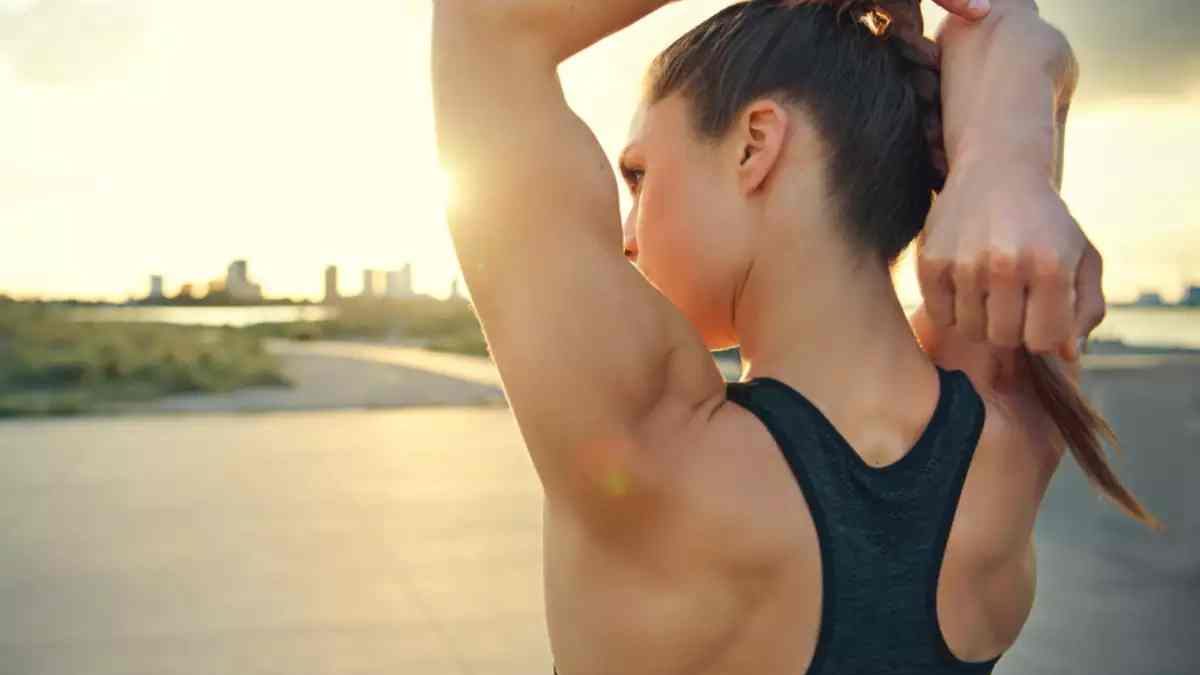

Muscles in good shape in winter sports and fresh air are the perfect combination, even if it’s December outside. It seems that winter sports require serious preparation. But in fact, training in the cold season does not have so many features. The main thing is to know where to start and how to properly equip.
A gym can provide a convenient indoor environment for maintaining strength and fitness during winter. The most effective routine depends on individual goals and should balance exercise intensity with sufficient recovery. For ideas on creating a more structured program, explore specialized gym training for women.
Table of Contents
What can you do?
Leaving aside your favorite winter activities – skiing and skating, then jogging, Nordic walking, and a workout are good for the cold season. But with reservations. You need to run and walk where it is not slippery: on cleared asphalt paths. In the workout, you should limit yourself to basic exercises without complex elements: squats, push-ups, pull-ups.
When winter weather makes outdoor activity less appealing, indoor workouts can help you stay active and maintain consistency. A routine that combines strength, cardio, balance, and flexibility can be adapted to your available space and fitness level. Explore these best exercises for everyone for ideas you can use throughout the year.
Regardless of the Sport
the cold does not go well with interval loads, so it is better to postpone them until spring. And for those who are fond of running, marathon runner and triathlete Konstantin Bozhko in an article on the Nogibogi portal recommends including long crosses with a low heart rate in the winter training plan.
An indoor gym can be a useful alternative when winter weather limits outdoor walking, running, or cycling. Choosing a convenient facility may make it easier to maintain a regular schedule. If you are considering this option, learn more about PureGym and its gym facilities.
For the company, playing sports are suitable, for example, football on an artificial heated field. You can also try something unusual. Broomball, popular in the West, is played without skates on trampled snow, and ordinary brooms are used instead of clubs. It sounds unusual, but just try it: the game is fun and addictive.
How to Dress for a Workout?
The correct form for winter training consists of three layers.
- The first layer is responsible for wicking sweat away from the body. Thermal underwear does an excellent job with this task.
- The second is designed to keep warm. As an option – a fleece jacket and insulated tights.
- The third protects against the vicissitudes of winter weather: wind, snow, rain. Here the choice is clear – a jacket made of membrane fabric.
- Good quality winter running shoes with waterproof uppers and non-slip soles are also required. Plus a scarf or buff, hat and gloves.
Changes in routine and weather can make it harder to stay motivated during winter. A qualified personal trainer may help you set realistic goals, adjust your program, and maintain good exercise technique. Learn more about the objectives and effectiveness of personal trainers if you would benefit from structured guidance.
Features of Winter Training
Compared to the universal rules of training, classes in cold weather have only a few nuances.
In winter, warming up is even more important. It not only prepares muscles and joints for stress, but also protects them from hypothermia. Therefore, the winter warm-up time is increased by one and a half to two times due to repetitions of dynamic exercises and longer jogging.
The delay is no less important. If possible, it is better to do it not on the street, but after returning to a warm room.
There are many myths associated with breathing during winter activities. Some recommend breathing only through the nose, others – only through the mouth, others – to close the mouth with a buff, and the fourth – to take breaths after a certain number of steps.
Stability-ball exercises can add variety to indoor workouts by challenging balance and core control. They can be used alongside other strength exercises, provided the movements are appropriate for your fitness level and performed with control. Explore these fitball exercises for strength and body conditioning for more indoor training ideas.
Conclusion
All these methods limit the supply of oxygen and reduce the effectiveness of training. Just control the pulse and make sure that the breathing is even and not too deep. This will be quite enough not to catch a cold [1].
In winter, the body loses no less fluid than in summer. Therefore, the recommendation to drink enough fluids to restore water balance remains just as relevant. But the drink must be warm, so it is poured not into a bottle, but into a thermos.
Protein shake Formula 1 can help the training process due to the large amount of high-quality protein. The team of the Danish Research Center of the Bispebjerg Hospital found that athletes who include protein compositions in their diet noticeably increase their strength indicators
If you prefer short indoor workouts, bodyweight movements can help you stay active without requiring much equipment. Burpees are one option for people who can perform them comfortably, although lower-impact alternatives may be more appropriate for some individuals. Read about burpees and their effects on the body to understand the movement and its role in fitness routines.
