
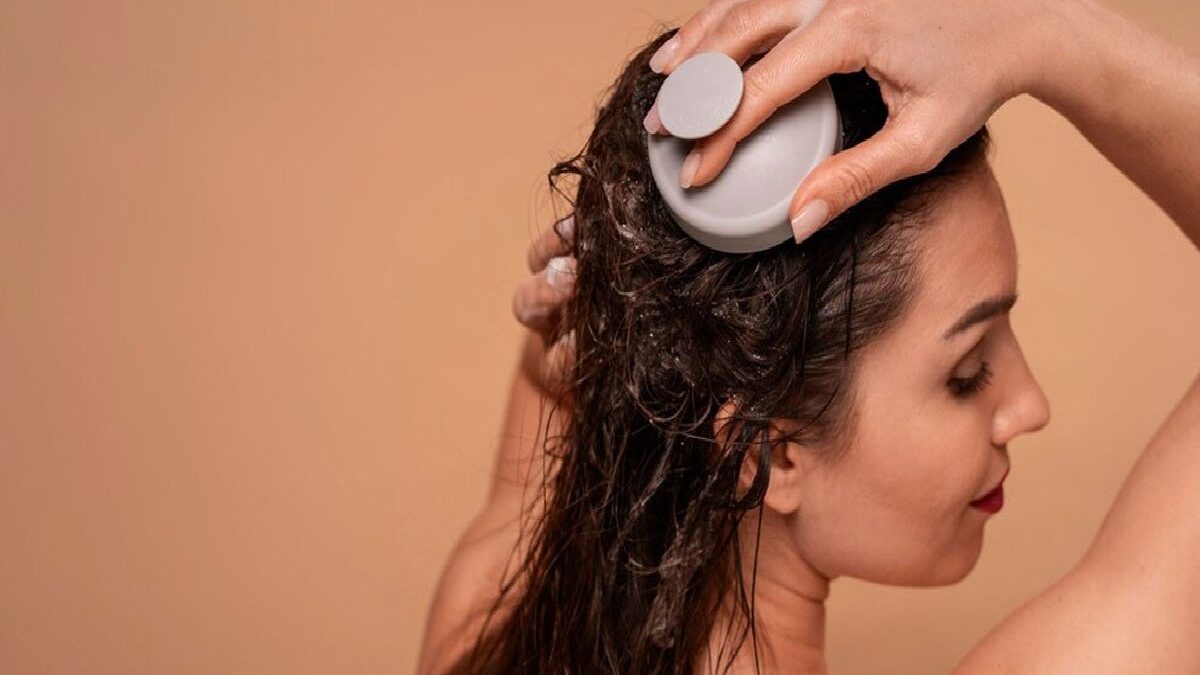
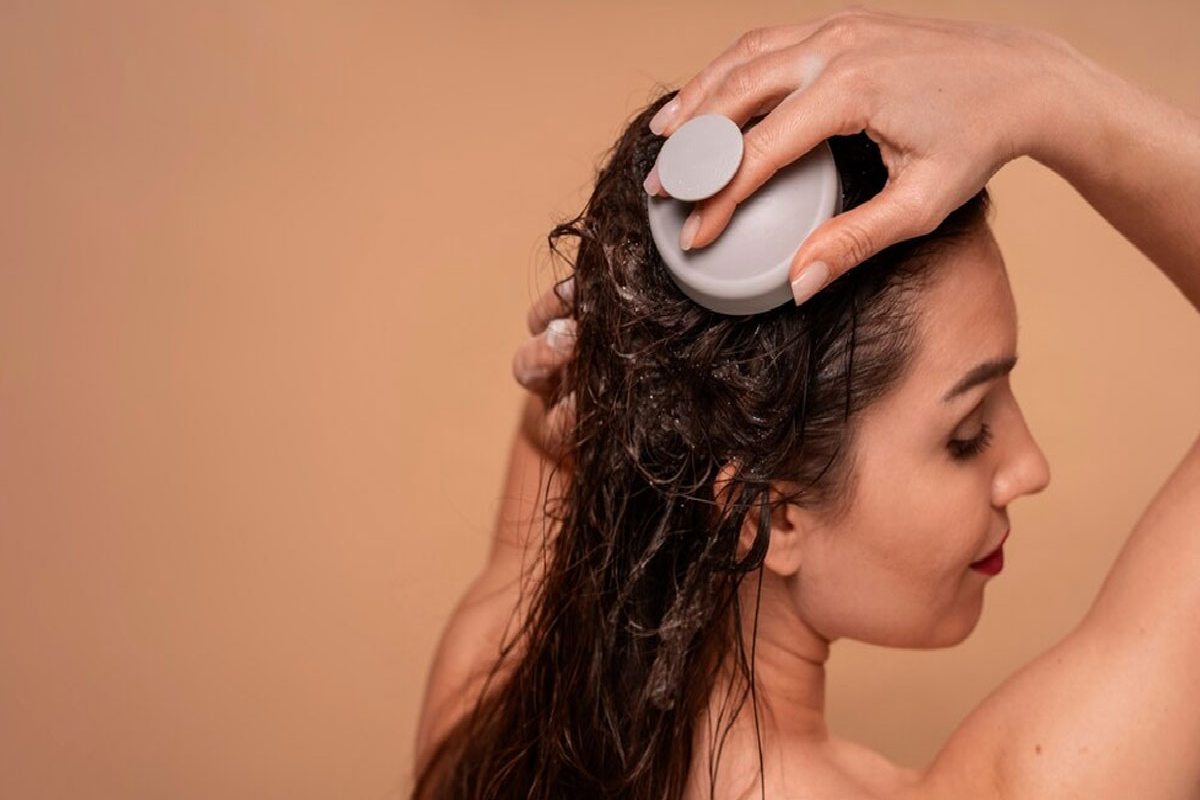
When we talk about glow, we usually think face first. But the skin on your scalp is just as active as the skin on your cheeks: it sheds dead skin cells, produces oil, and holds onto layers of styling product buildup. Over time, that buildup can leave the scalp feeling itchy or tight, make hair at the roots look dull, and turn a shaved or close-cut style into a magnet for shine. Scalp exfoliation steps in the same way a good face exfoliator does – to gently clear away what’s sitting on the surface so the skin underneath can actually breathe.
The question, of course, is how often you should exfoliate your scalp without tipping into irritation. The answer isn’t one-size-fits-all, because a dry, delicate scalp has very different needs from an oily, product-heavy one – and a bald head behaves differently again. The right frequency depends on your scalp type and whether you’re using a physical scrub, a liquid chemical exfoliant, or a hybrid formula. Think of this guide as your roadmap to finding that sweet spot: often enough to keep your scalp healthy and comfortable, never so often that you disturb its natural balance.
Table of Contents
What Is Scalp Exfoliation And Why Does It Matter?
Scalp exfoliation is exactly what it sounds like: gently removing dead skin cells, excess oil, and layers of product buildup from the surface of your scalp. Just as the skin on your face constantly renews itself, the scalp does too. Old skin cells mix with sebum, sweat, and styling products, then sit around the hair roots if they’re not lifted away. Over time, that mix can start to feel uncomfortable – think itchiness, flaking, or that coated, “never quite clean” feeling after you wash.
Underneath all of that is where your hair actually begins. When dead skin and oil collect around the hair follicles, it can make the scalp feel congested and leave the hair shaft looking a little dull as it grows out. Regular, gentle scalp exfoliation helps keep those follicles clearer, so the skin can function the way it’s supposed to: balancing oil, protecting the barrier, and creating a healthier environment for hair growth.
A clean, well-balanced scalp doesn’t just feel better; it often shows up as softer roots, shinier lengths, and more comfortable bald or close-cut styles. Think of it as taking your hair care routine one step deeper. By focusing on the skin your hair grows from, you’re supporting both scalp health and the way your hair looks on the surface.
Signs You Might Need To Exfoliate Your Scalp
Flaky, Dry, Or Itchy Scalp
If you constantly see dry scalp flakes on your part, shoulders, or pillow, excess skin cells are likely building up on the surface. A flaky, itchy scalp that still feels “off” after washing is a simple sign you may need gentle exfoliation.
Oily Scalp And Heavy Product Buildup
If your roots look greasy by midday or feel coated from dry shampoo and styling products, that is scalp buildup, not just “dirty hair.” When excess oil and product sit on the scalp, a targeted exfoliator can help lift residue so your shampoo can actually rinse it away.
Dull Hair And Congested Hair Follicles
When new growth near the roots looks flat or rough, the skin around the hair follicles may be congested with oil and dead skin. Clearing that buildup with careful scalp exfoliation supports a fresher root area. It helps hair reflect more light at the scalp.
Physical vs Chemical Scalp Exfoliation
Physical Exfoliants (Scrubs And Tools)
Physical exfoliants rely on mechanical exfoliation to loosen buildup at the surface of the scalp. Think scalp scrubs with tiny particles, or tools that lightly brush the skin to lift dead cells and excess oil. Many DIY or natural formulas use things like brown sugar and natural oils, massaged in small circular motions to create gentle friction on the scalp’s surface.
Used carefully, these scrubs can leave the scalp feeling smoother and lighter. The risk comes when the grains are too rough or the pressure is too firm. Over exfoliation can irritate the skin barrier, trigger more dryness or oil, and make an already sensitive scalp feel sore. If your scalp flushes, stings, or stays red afterward, it is a sign to dial back the intensity or switch formats.
Chemical Exfoliants (Acids And Serums)
Chemical exfoliants use active ingredients rather than friction to dissolve dead skin cells and clear buildup. In scalp treatment formulas, you will often see salicylic acid to help unclog oily, congested roots and sometimes hyaluronic acid to replenish hydration so the skin does not feel stripped. These come as serums, toners, or pre-shampoo treatments that you apply, leave on for a set time, and rinse or gently cleanse away.
Because they work through chemistry instead of scrubbing, chemical exfoliants can be a better option for sensitive skin or acne-prone areas that do not tolerate physical scrubs well. The key is to follow the directions, start slowly, and pair them with soothing, scalp-friendly hydration so you get the benefits of exfoliation without upsetting your scalp’s balance. If you are curious about how different types of scalp exfoliants compare, this deep dive on choosing a scalp exfoliant walks through the main options and who they are best for.
How To Exfoliate Your Scalp Properly Step By Step
Prep – Before You Start
Before you reach for any scrub or serum, do a quick check-in with your scalp. If you see open cuts, active infection, or very inflamed patches, skip exfoliation and speak with a dermatologist first. Exfoliating over compromised skin can make irritation worse.
On regular days, start with wet hair or a damp scalp so products spread more evenly. Choose scalp-friendly formulas (nothing too gritty or heavily fragranced) and pick the type of scalp exfoliator that makes sense for your skin: a gentle scrub if you like a tactile feel, or a liquid exfoliant if your scalp is on the sensitive side.
Step-By-Step With A Physical Scalp Scrub
- After wetting your hair or scalp, take a small amount of scrub and apply it directly to the roots or exposed skin.
- Using your fingertips, massage in light circular motions, focusing on areas where you notice the most buildup or flaking. Think gentle polish, not a heavy scrub.
- Rinse thoroughly with lukewarm water until there is no residue left. This helps lift away oil, dead skin, and product so fresh skin can surface without feeling stripped.
If your scalp feels tight, sore, or red afterwards, you are probably exfoliating too often or using too much pressure. And if you shave your head and struggle with bumps or ingrowns, pairing this kind of gentle exfoliation with a simple post-shave routine can make a big difference – you can follow this step-by-step routine for keeping a bald scalp ingrown-free to see what that looks like in practice.
Step-By-Step With A Chemical Exfoliant
- Apply your chemical exfoliant (serum, tonic, or pre-shampoo treatment) directly to the scalp, following the instructions on the label.
- Let it sit for the recommended contact time so the active ingredients can dissolve the buildup. Do not leave it on longer than suggested, especially with stronger acids.
- Rinse or shampoo as directed, then follow with a hydrating scalp-friendly conditioner or treatment.
- After more potent exfoliating treatments, avoid direct sun on the scalp or use SPF, as the skin may be slightly more sensitive.
Where Scalp Exfoliation Fits In Your Hair Care Routine
Think of scalp exfoliation as an occasional reset, not an everyday step. For most people, it slots in once or twice a week before shampoo: exfoliate, shampoo to rinse everything away, then follow with your usual conditioner or mask on the mid-lengths and ends. On non-exfoliation days, your regular cleanser is enough to keep sweat and light styling products from building up.
If you use a lot of heavy creams, gels, or dry shampoo, treat exfoliation like maintenance for your roots. Pair each exfoliating session with something soothing and hydrating so the scalp stays nourished rather than stripped. A lightweight scalp serum, a gentle conditioner on the root area, or a calming leave-in mist can help balance things out, so you get the clarity of exfoliation and the comfort of healthy, hydrated skin.