

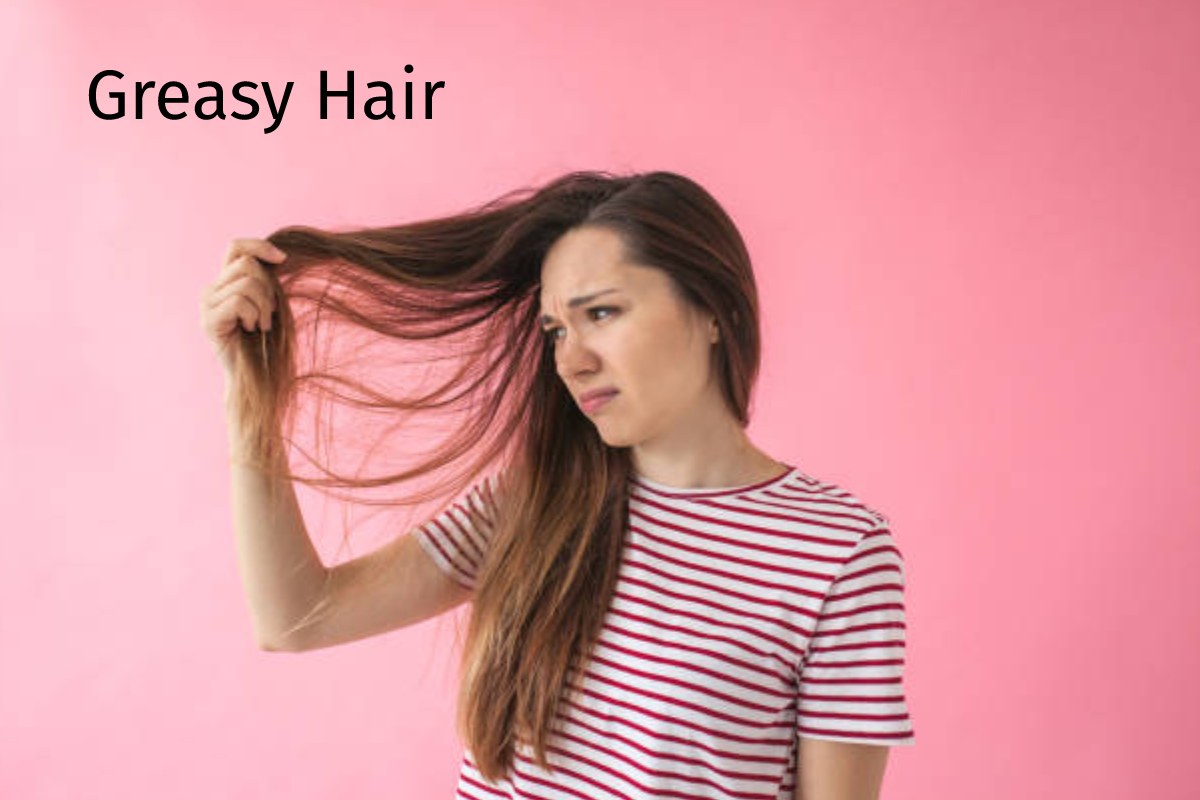
Greasy Hair – Are you the type to wash your hair daily, or do you tend to let a day or two pass between washes? If you have oily hair, it may be necessary to wash your quickly greasy hair once a day (or more often!) to get your oily scalp under control and improve the look of your oily hair. Unfortunately, when the scalp is stripped.
It might seem impossible if you ask everyone with greasy hair, but try to leave 1-2 days between washes. Then, after about a week, your hair should naturally produce less oil as it returns to a healthier state.Trying to control greasy roots should not mean neglecting the ends of your hair. Frequent washing, excessive heat, and rough handling can leave the lengths dry and vulnerable to damage. Taking care of the ends can help minimize issues such as split ends.
Table of Contents
Your Hair Type
In addition to how often you wash your hair, your hair type may also play a role in your oily scalp. Oily hair is more common in people with thin, straight hair because the oil and sebum that causes. Excess oil on the scalp can sometimes contribute to buildup and make flakes more noticeable. If you are dealing with both an oily scalp and recurring flakes, our comprehensive dandruff guide explains common causes, symptoms, and ways to manage the problem.
Because oil has a more challenging time migrating over curly or wavy hair, switching up your hairstyle can be an effective way to hide quickly greasy hair while you’re in between washes.
Tips Against Greasy Hair
Sometimes a good old natural home remedy, used with the right hair care products, can help you get rid of greasy hair. Try these home remedies to get that oily scalp back in shape. Greasy hair does not automatically mean you have dandruff, but excess scalp oil can be one factor associated with a flaky scalp. Understanding what dandruff is and what causes it can help you distinguish ordinary oiliness from a scalp condition.
Aloe Vera
You probably know how good aloe vera gel is for treating those pesky summer sunburns. But did you know that it can also help treat an oily scalp and hair? Use an excellent aloe vera as a hair mask once a week to soothe your oily scalp and hair, add natural moisture, and remove product buildup that can cause greasy hair. Because of aloe vera’s cooling and anti-inflammatory properties, many of our products are formulated with organic aloe vera leaf juice. Click here to learn more about our essential ingredients.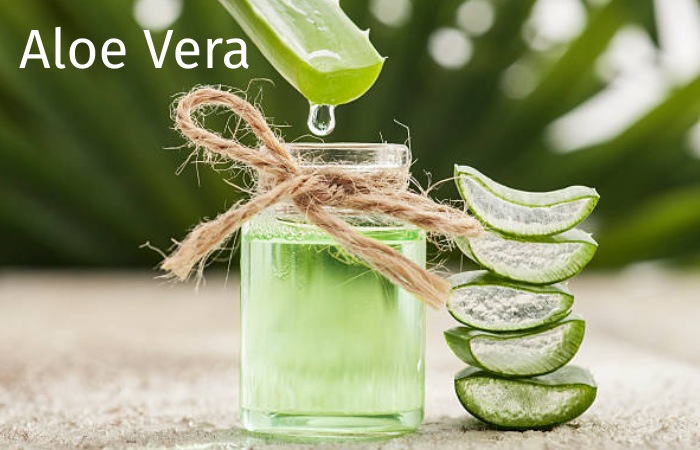
Apple Cider Vinegar
Many people swear by the benefits of apple cider vinegar, not only for weight management and treating acne but also for combating hair that becomes greasy quickly. Try an apple cider rinse once a week to remove buildup and oily scalp, and restore your scalp’s pH balance. Make sure you properly dilute the vinegar with water before rinsing!When excess oil and styling products accumulate on the scalp, you may consider adding exfoliation to your routine. However, frequent or aggressive scrubbing can irritate the scalp and potentially make discomfort worse. Before trying it, learn how often you should exfoliate your scalp.
Rosemary Oil
One of the most versatile natural ingredients on the market, rosemary oil is excellent for dealing with oily hair. The powerful properties of this oil can help relieve itching, stop excessive oil production from the scalp, and reduce inflammation around hair follicles. Even sensitive scalp can enjoy the benefits of a quick rinse with rosemary oil. Goodbye, greasy hair.
Managing oily hair involves more than simply washing it more often. Your shampooing technique, conditioner placement, drying habits, and styling routine can all affect how your hair feels. For a broader routine, explore these hair care tips to keep your hair healthy.
Conclusion
When was the last time you cleaned your hairbrush? If you can’t remember, that’s probably not a good sign. Think of your brush as your hair’s trash can – every time you brush your hair, your brush accumulates dead strands, skin, and product. If you keep using them without cleaning them thoroughly, you’ll redistribute all that residue back onto your hair, which can lead to greasy hair problems.
If greasy hair is accompanied by persistent flakes, choosing a shampoo designed specifically for dandruff may be worth considering. For more information about one such option, see our guide to Sebamed Anti-Dandruff Shampoo and how it fits into a scalp-care routine.
