
Table of Contents
Why Everyday Hair Health Matters
Hair is part of nearly everyone’s daily routine—whether that means a quick comb-through before work, a post-gym detangle, or taking time each morning to actually style it. From a wide-tooth comb to a blow dryer to a hair styler used for waves or a sleek finish, the tools we reach for consistently perform better when the hair underneath is genuinely healthy. This guide isn’t a product roundup. Instead, it offers practical, neutral principles for maintaining hair strength, shine, and manageability across all hair types—grounded in widely accepted hair care and dermatological practice.
Understanding Your Hair: Texture, Porosity, and Scalp Health
Any effective routine starts with understanding what you’re actually working with. Hair texture—straight, wavy, curly, or coily—shapes how your hair responds to moisture, heat, and different styling approaches. A simple way to gauge strand thickness: hold a single hair next to a piece of sewing thread. Finer than the thread points to fine hair; similar or thicker suggests medium to coarse.
Just as important is porosity—how readily hair absorbs and holds onto moisture. High-porosity hair often dries quickly but loses that moisture just as fast, which means extra protective steps before heat styling can make a real difference. Low-porosity hair, on the other hand, tends to resist product absorption, responding better to lighter formulas and a touch of gentle warmth to help moisture actually penetrate the strand.
At the foundation of all of this is scalp health. A clean, well-balanced scalp supports healthy follicle function and, by extension, stronger hair growth over time. Gentle cleansing, keeping product buildup in check, and avoiding overly tight styles all contribute to scalp comfort and better hair quality in the long run.
Building a Healthy Routine Before Styling
How often you wash your hair isn’t a universal answer—it depends on your hair type, lifestyle, and scalp condition. That said, a few cleansing principles apply broadly:
- Use lukewarm (not hot) water throughout the wash
- Focus shampoo on the scalp, where buildup actually accumulates
- Apply conditioner from mid-lengths to ends, keeping it away from the roots
- Detangle from the ends upward, working gradually toward the scalp
It’s also worth understanding the difference between moisture-focused products—which add softness and flexibility—and protein-based treatments, which reinforce the hair’s structure. Overloading already strong hair with protein can tip it toward brittleness; neglecting moisture on dry hair leads to breakage. Paying attention to how your hair feels after each wash—limp, stiff, or balanced—is one of the most reliable ways to fine-tune your approach over time.
Heat, Tools, and Technique
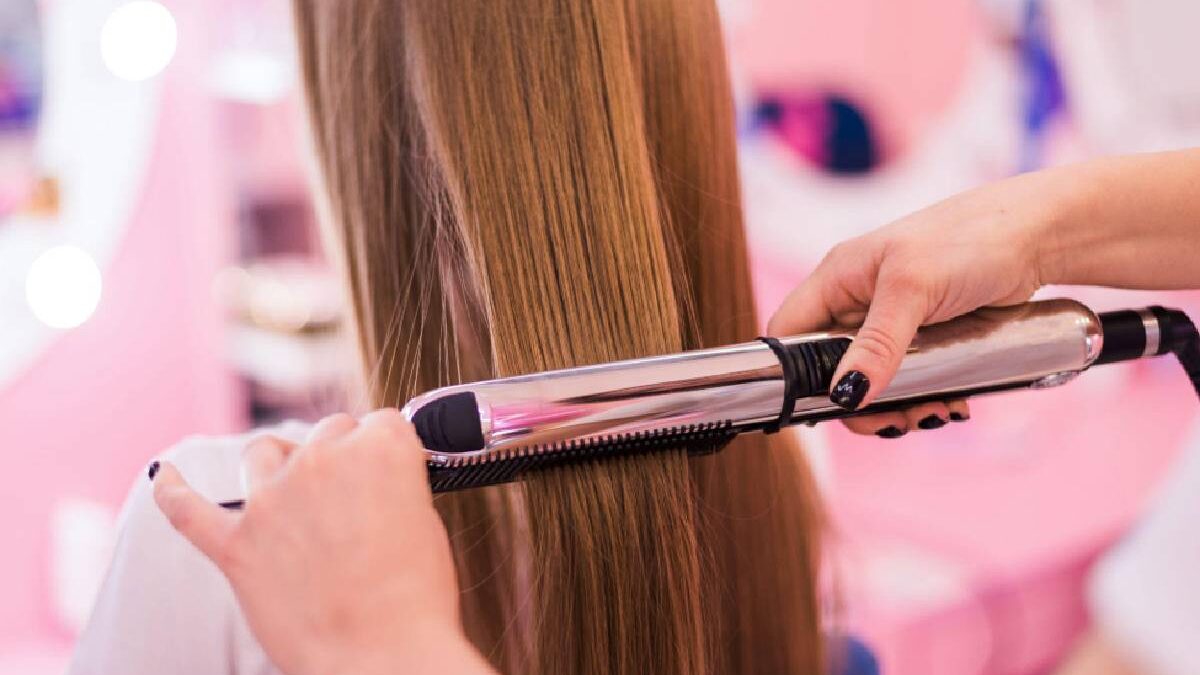
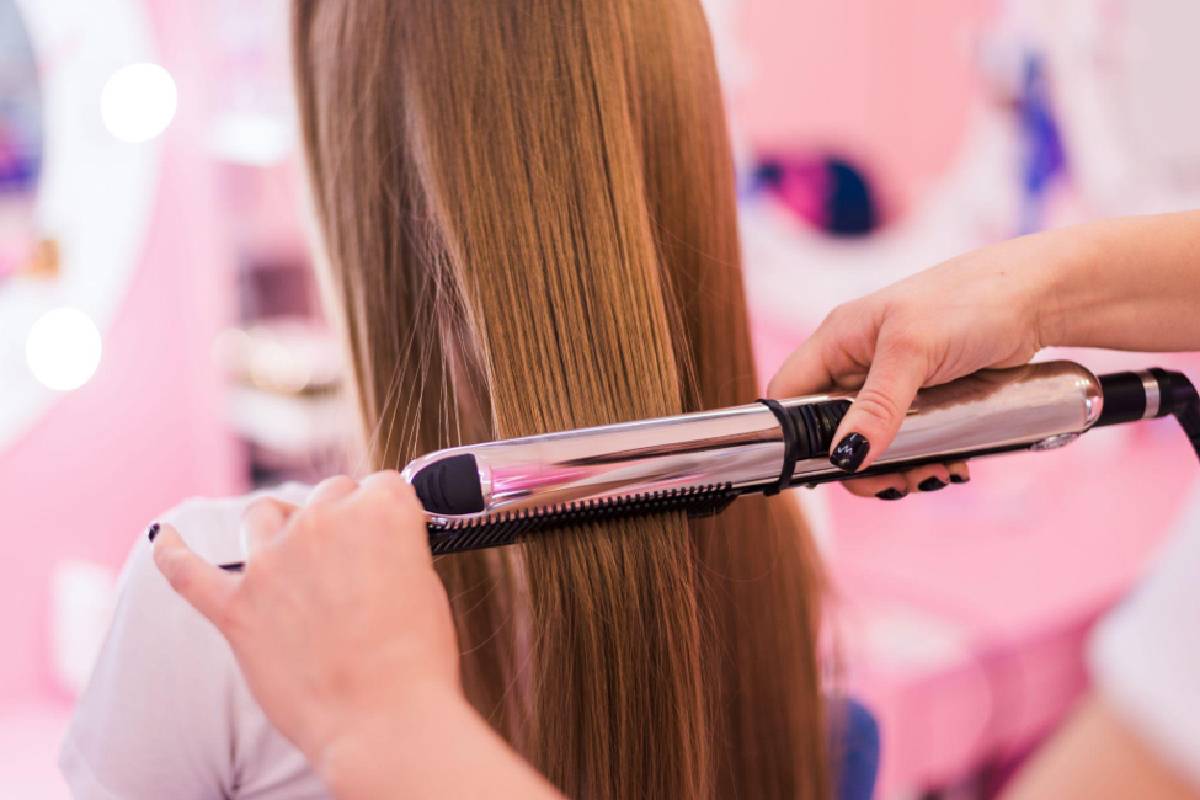
Excessive or careless heat styling takes a toll on the hair cuticle, gradually leading to dryness and brittleness. A few core principles go a long way toward reducing that risk: let hair reach at least a damp state before applying heat (never soaking wet), match heat settings to your hair type—lower temperatures for fine or already-damaged hair—and avoid making repeated passes over the same section.
Whether someone uses a basic flat iron, a curling tool, or a more advanced multi-function device, what actually drives results is technique and moderation, not the tool’s price tag or brand name. For those who’d rather skip heat altogether, non-heat styling methods—braids for waves, twist-outs, rollers—offer genuinely effective alternatives, especially for fragile or sensitive hair.
Key takeaway: Heat is optional. Defined, polished styles are entirely achievable through gentle, no-heat techniques that significantly lower the risk of long-term damage.
Everyday Habits for Long-Term Hair Health
Protective styling—loose buns, braids, or simple updos—cuts down on daily friction and the mechanical breakage that comes with it. Comfort is non-negotiable here; any style that creates tension or discomfort at the scalp is doing more harm than good. Overnight habits deserve attention too: sleeping on a satin or silk surface, or loosely covering hair before bed, reduces the friction that quietly contributes to frizz and breakage night after night.
Beyond styling, environmental factors like sun exposure, chlorine, hard water, and pollution gradually wear on hair quality. Rinsing after swimming, wearing a hat during prolonged sun exposure, and working in the occasional clarifying wash can help offset these effects. As both medical and dermatological sources consistently note, nutrition and stress levels also play a meaningful role in hair condition and the overall growth cycle.
Bringing It All Together
Sustainable hair health isn’t built on any single product or technique—it comes from understanding your hair’s individual characteristics, texture, porosity, and scalp condition, and developing consistent habits around them. Styling tools, whether simple or sophisticated, are instruments that work best in service of hair that’s already well cared for. The real difference in long-term results comes down to knowledge, moderation, and consistent practice.
A practical place to start: identify one small, low-risk adjustment in your current routine—tweaking your heat settings, shifting your wash frequency, or refining how you detangle—and give it a few weeks to see how your hair responds.
