
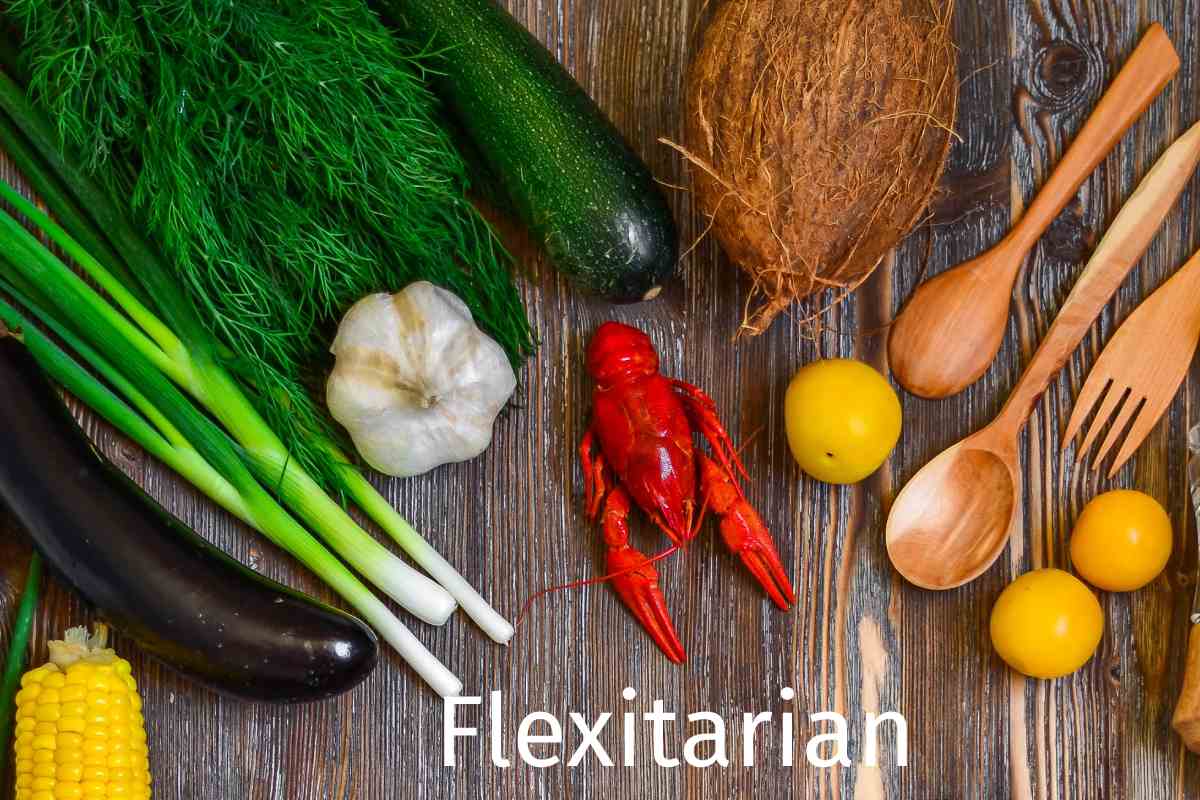
Flexitarian – Vegetarian, ovo-vegetarian, lacto-vegetarian, pescatarian, vegan. There are now so many nutritional trends that it’s easy to lose track of them all. A vast group is the ovo-lacto-vegetarians, who avoid fish and meat but eat eggs and dairy products. About half of all vegetarians or vegans living in Germany are lacto-ovo-vegetarians. Pescatarians, on the other hand, only eat fish and seafood, while vegans usually strictly reject all products of animal origin.
Although a varied flexitarian diet can supply many essential nutrients, dietary supplements may be appropriate for some people depending on their food intake and individual needs. Before choosing any wellness product, review its ingredients, intended use, and supporting evidence. You can also explore our overview of the Olavita liquid solution for additional product information.
Table of Contents
What Exactly Is A Flexitarian?
The term flexitarian comprises the words “flexible” and “vegetarian.” Flexitarians includes those who are “part-time vegetarians,” so to speak. For many, meat consumption is part of this diet, but it is consumed only consciously and not regularly but in exceptional cases. A conscious and mindful lifestyle is the focus of flexitarians. About 12% of Germans can be assigned to the diet or group of flexitarians.
A well-planned flexitarian diet can provide many essential nutrients, although individual nutritional needs vary. Some readers also explore supplements for other wellness goals. Learn more about NMN and cellular wellness, including the proposed benefits and the importance of evaluating the evidence before trying a supplement.
Flexitarian Diet – What Does A Flexitarian Eat?
The answer to this question cannot be unified so quickly. In principle, the flexitarian decides when to eat vegan, vegetarian, or omnivore. However, flexitarians do not consume foods such as meat daily, but rather seldom, and when they do, very consciously. Conscious means that flexitarians usually obtain animal products from organic farms and strive for high-quality standards. True to the motto: quality instead of mass when consuming meat.
Pros And Cons Of Flexitarians
A good one in ten Germans now eats a flexitarian diet. But what are the trends, advantages, and disadvantages for health, the environment, and Co.? And is it easier to become flexitarian than vegetarian?
These Are The Key Benefits Of Flexitarians
The benefits of a flexitarian diet are incredible. Like vegetarians, flexitarians eat plant-based foods primarily. Many fresh fruit and vegetables, salads, whole grain products, and new, unprocessed food promote health and can even prevent or counteract disease.
In addition, flexitarians protect the environment with their consumption decisions and make a statement against factory farming. As a result, the trend is towards more conscious shopping and the willingness to pay a higher price for high-quality food with a clear conscience.
A possible weight reduction can also be a positive side effect on your health. After all, even a vegan can eat unhealthily if he only eats white bread and sugar. In general, flexitarians is good for losing weight.
Healthy eating is easier to maintain when it fits into a realistic lifestyle that also leaves room for relaxation. Creating a comfortable space for meals, reading, or unwinding can help make everyday routines more enjoyable. Discover ideas for creating a relaxing home environment as part of a balanced approach to well-being.
Are There Any Disadvantages?
Like vegetarians and vegans, flexitarians may sometimes be concerned about whether they are getting all the essential nutrients. But if you eat a varied and conscious diet, you can’t do much wrong and can easily supply your body with all the vital nutrients.
However, there is sometimes criticism that animals would have to die for the flexitarian lifestyle, the environment would be polluted, etc.
A flexitarian diet can be one part of a balanced lifestyle, alongside regular physical activity, adequate sleep, and time for relaxation. Small, consistent habits can make healthy living more manageable over time. For more practical ideas, explore our guide to healthy self-care habits that complement a balanced eating routine.
How Can I Become A Flexitarian? – Tips
But it is also clear that anyone who has consumed meat all their life without really questioning it may find it more difficult to reduce their meat consumption to zero overnight.
The step towards flexitarians can be a good (interim) solution. The advantage: You don’t feel like you have to do without meat. Quite the opposite: you might even enjoy the occasional meat consumption much more than before because you consciously deal with it and choose quality over quantity.
Alongside balanced meals, hydration is an important part of a healthy eating routine. Water and water-rich foods, including fruits and vegetables, can contribute to your daily fluid intake. Read more about the importance of proper hydration and ways to maintain healthy fluid intake throughout the day.
Conclusion
A lot of fresh food is on the plate, such as fruit and vegetables, whole grain products, and legumes containing protein. Even if fish and meat are occasionally on the menu, vegetable protein suppliers have priority. However, if all meat eaters would accept this philosophy of life, the world would probably be helped a bit.
Because a flexitarian diet emphasizes plant foods while allowing some animal products, eating a variety of foods is important for meeting nutritional needs. Depending on your food choices and individual circumstances, certain nutrients may require extra attention. Our guide to seasonal vitamins and nutritional needs offers further reading on vitamins and year-round nutrition.
