
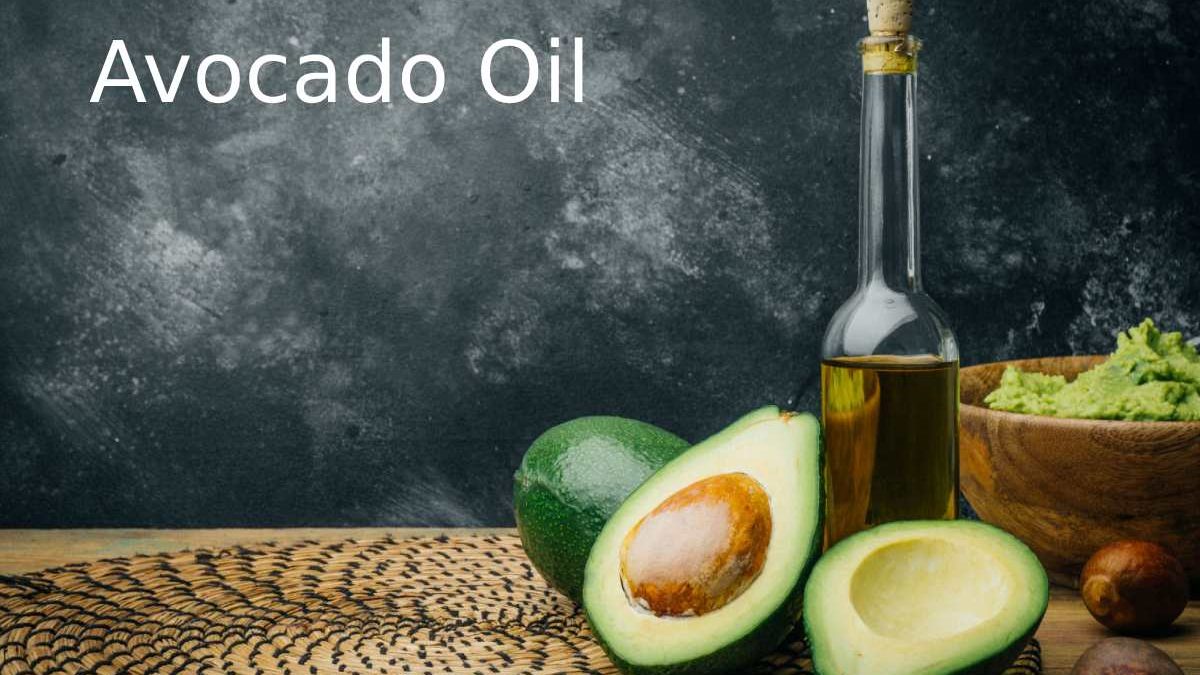
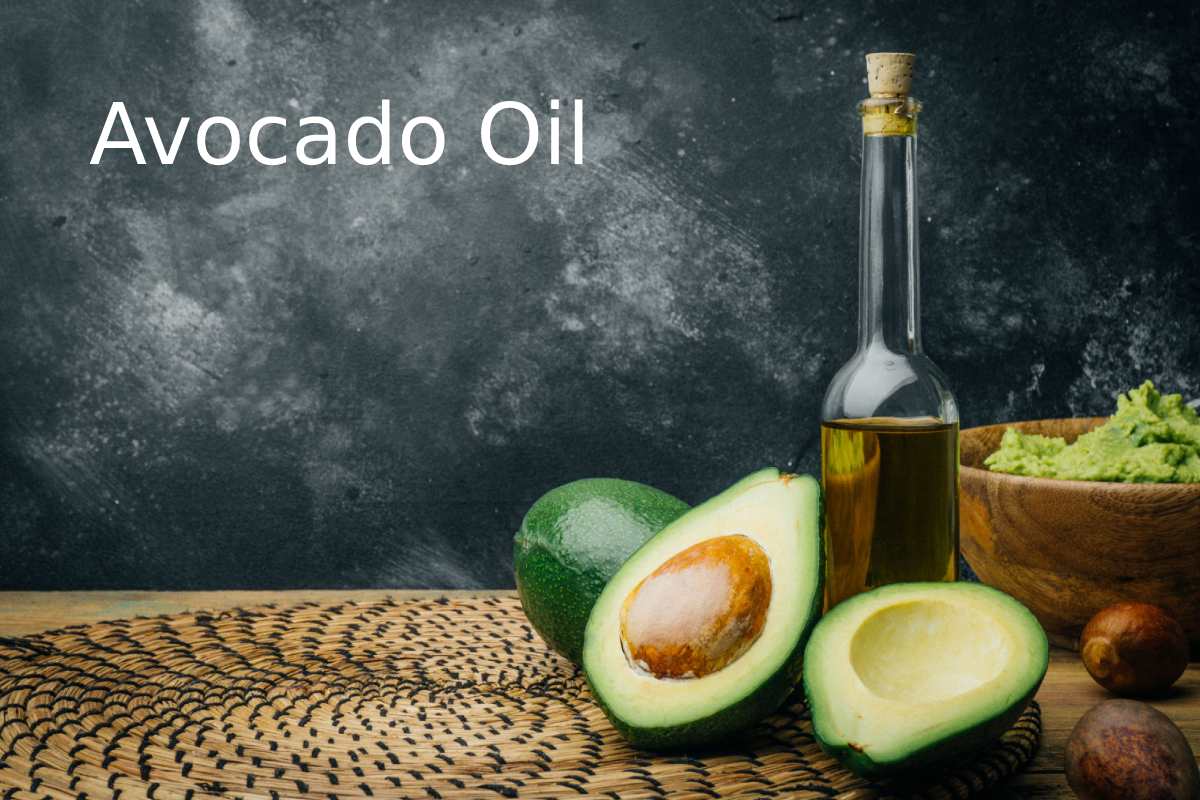
Avocado Oils – The beautiful green fruit originates in the tropical rainforest of Mexico and Central America. Did you know? The avocado is a berry, and its scientific name is Persea Americana. In addition to its full-bodied taste, the avocado also offers a valuable oil, which has a positive health aspect through food and can also care for our skin due to the various fatty acids.
Avocado oil is one of several plant-derived ingredients used in beauty products for its emollient properties. Depending on the formulation, natural oils and botanical extracts can help condition the skin and support a moisturizing routine. If you want to explore more plant-based options, discover these 8 ingredients for a natural beauty routine you need to try.
Table of Contents
Chemical Composition
The avocado oil is squeezed out of the pulp using a pressing process. The result is a dark yellow-brown to greenish oil made from various fatty acids. It is a triglyceride, a mixture of triesters of glycerol. The different fatty acids are oleic acid, linoleic acid, linolenic acid, and other acids. It also contains β-sitosterol, β-carotene, lecithin and minerals. You can find out what benefits these have for the skin in our article on relevant vitamins for the skin.
A consistent beauty routine combines suitable skincare products with simple daily habits. Gentle cleansing, regular moisturizing, sun protection, and choosing products that suit your skin type can help maintain healthy-looking skin. For more practical ideas, explore these women’s beauty tips everyone should know to complement your skincare routine.
What Makes Avocado Oils So Special?
The two fatty acids linoleic acid and linolenic acid offer many benefits for the skin
Plant-derived ingredients have long been used in traditional beauty and personal-care practices. Avocado oil is commonly used in moisturizing formulations, while henna is traditionally associated with hair coloring and decorative body art. Although their uses differ, both illustrate the variety of botanical ingredients found in beauty routines. Learn more in our guide to henna as a beauty product.
Linoleic Acid
It is an unsaturated fatty acid that belongs to the group of omega-6 fatty acids. Linoleic acid is the predominant fatty acid in ceramides. It explains the positive effect of avocado oils on the skin barrier. In addition, linoleic acid is part of the NMF (Natural Moisturizing Factor) and thus supports skin hydration. Linoleic acid also has anti-inflammatory properties and is non-comedogenic, particularly helpful for acne symptoms.
Linolenic Acid
Similar in name and effect, but different: Linoleic acid is the precursor of the polyunsaturated fatty acid gamma-linolenic acid. It is part of the human cell membrane and therefore essential for a strong barrier and healthy skin. In addition, the body needs this substance to regulate inflammatory processes. Accordingly, linolenic acid is also helpful in inflammatory processes in the skin, which play a significant role in acne, neurodermatitis, or psoriasis.
The oil’s valuable components benefit the skin in two ways: The oil cares for dry, damaged, or chapped skin. But the oil also shows its best side regarding wound healing. In addition, studies have shown that re-epithelialization, i.e., the formation of new skin cells, is faster when avocado oil is applied.
Products With Avocado Oils
Now you know the diverse effects of avocado oil. Now the question arises as to which products contain this versatile oil.
Avocado oil can be found in certain moisturizers, body oils, and haircare products, making it one option for a simple personal-care routine. Choose products according to your needs and apply them as directed, especially if you have sensitive skin. For more inspiration on maintaining an easy daily routine, read our guide on how to look beautiful every day.
Clarify Skin
The light gel cream clarifies skin and is particularly suitable for impure or oily (combination) skin. Thus, the gel cream also serves perfectly as a make-up basis. In addition to the avocado oil, panthenol and bisabolol have a calming effect, and salicylic substances prevent impurities.
Phyto Care
Photocard is the best choice for impure and oily skin prone to acne or rosacea. The processed plant extract has a sebum-reducing and, simultaneously, mattifying effect without drying out the skin. It is also suitable for therapy-accompanying care.
Hydrating Cream
The hydrating cream is suitable for dry, sensitive, or mature skin. Here the avocado oil is supplemented by hyaluronic acid and panthenol, whereby the moisture supply of the skin increases. As a result, avocado oils has a skin-soothing effect, protects the skin from drying out, and leaves the skin feeling supple.
Avocado oil may appear in skincare, haircare, and other cosmetic formulations because of its emollient properties. When selecting products containing natural oils, check the complete ingredient list, follow the recommended application instructions, and consider your skin’s sensitivities. For a broader understanding of selecting and using plant-based beauty products, read our guide to natural cosmetics and their use and application.
Peeling
The peeling is suitable for normal, impure, and sallow skin. The natural exfoliating particles made from hardened castor oil remove dead skin cells. The complexion appears more even and fresher. The avocado oils strengthens the skin barrier and makes the skin supple.
A complete beauty routine can include skin and hair care as well as nail care. While avocado oil is primarily used as an emollient in certain cosmetic products, nail polish serves a different purpose by adding color and finish to the nails. If you are exploring beauty products with a more natural focus, learn more about natural nail polish and what to consider when choosing a formula.
Conclusion
Avocado oils helps predominantly in skin regeneration. It provides essential moisture and conditioning to the skin. The favorable properties supplement by vitamins A, C, D, and E. However, it is necessary from a different point of view.
