
Table of Contents
Trending Mehndi Styles in India
Long ago, traditions began weaving henna into daily life throughout India. During celebrations like marriages or festivals – or even quiet moments among friends – it appears, part ritual, part artistry. What used to be thick, powerful designs today tends to favor open spaces, delicate curves, still graceful. Gradually, heavy motifs faded into softer marks; somehow, the heart behind them stayed.
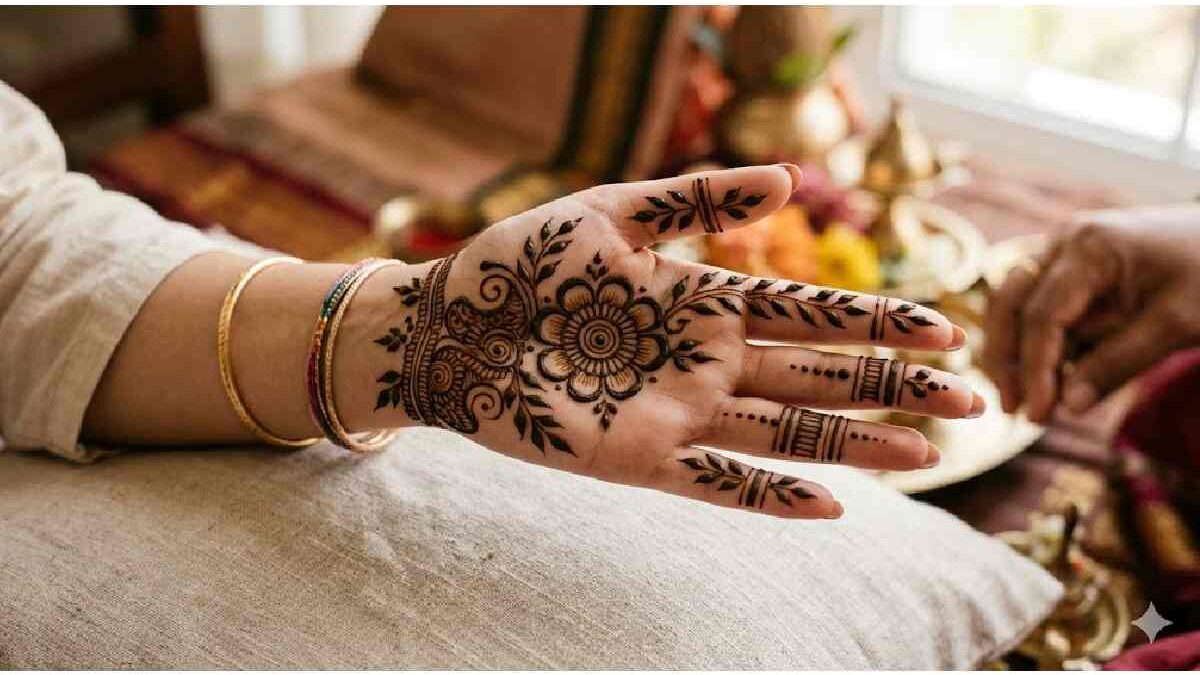
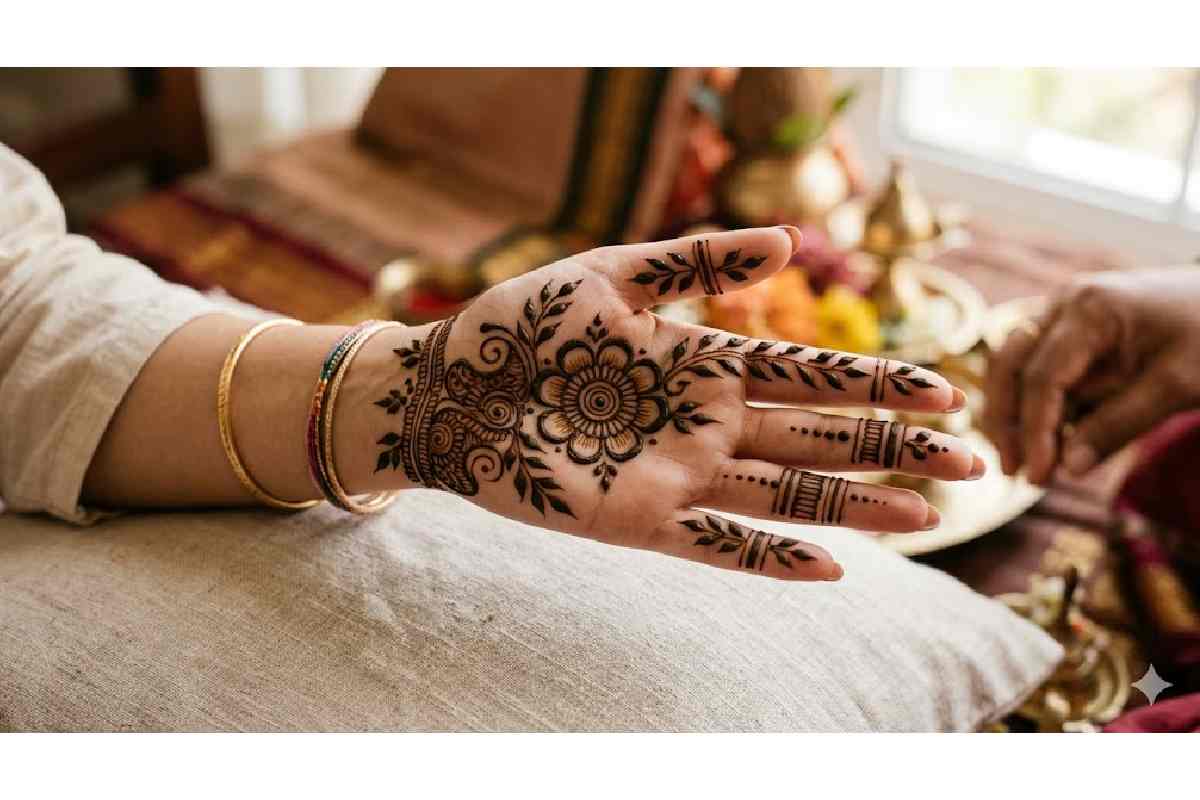
These days, front hand mehndi tends to stay pale. Near the fingertips, small designs pop up now and then. A lone twisting vine might stretch from wrist to knuckle instead. During tests, students lean toward ones that take seconds to sketch – easy to cover too. Under their bands, office folks slip thin strokes that barely show. Outfits at weddings usually carry tiny flowers scattered like whispers. When festivals arrive, colors grow sharper but stay soft at heart. One curve near the wrist, a speck by the elbow – never shouting. Quiet moments hold just as much grace. An open hand, bare of design, might be exactly enough.
Front hand henna patterns stay popular across India, mixing old customs with clean new styles. From weddings to festivals like Diwali or Eid – even quiet gatherings – these delicate looks keep showing up, season after season. A touch of tradition, drawn lightly on skin, lasts longer than most fashion waves ever do.
Why Simple Mehndi Designs Are Popular in India
These days, simple styles in beauty are catching on fast through India. Elegance matters more when things stay clean, not cluttered.
Simple front hand mehndi designs are loved because they:
- take less time to apply
- look clean and stylish
- uit both traditional and modern outfits
- are beginner-friendly
- dry faster than heavy bridal designs
- work well for casual and festive occasions
Beauty trends shift fast, yet social apps push certain looks – clean lines, bare skin, tiny drawings on hands appear everywhere now because of them. Platforms shape taste without saying a word, simply by showing the same images again and again until they feel normal.
Evolution of Mehndi Art in India
From fingertip to wrist, old-style Indian henna art packed tight swirls and tiny shapes. Covering every part of the hand was common, not rare.
Modern mehndi trends now include:
- minimal floral patterns
- finger-focused designs
- bracelet-style mehndi
- geometric patterns
- Arabic-inspired styles
- aesthetic empty-space designs
Young women especially prefer designs that balance simplicity with elegance.
Types of Front Hand Simple Mehndi Designs
Fingers often start the design, flowing toward the wrist. Some patterns wrap around like vines. Others stay close to the knuckles. Delicate lines might meet at a central flower. Tiny dots can form their own rhythm. Open spaces matter just as much as filled ones. Each style carries its own quiet balance.
1. Floral Mehndi Designs
Floral patterns remain one of the most popular choices in India.
These designs often include:
- roses
- lotus patterns
- leaf vines
- floral chains
Floral mehndi looks soft, feminine, and elegant.
2. Arabic Mehndi Designs
Arabic mehndi is known for bold lines and flowing patterns.
Features include:
- leafy trails
- large flowers
- open spaces
- diagonal patterns
These designs are easy to apply and look stylish on the front hand.
-
Mandala Mehndi Designs
Patterns shaped like mandalas often catch the eye with balance in every part. Their layout flows evenly from center outward.
Finger details usually accompany a round design set at the palm’s center. Instead of standing alone, the circle shares space with lines that follow each fingertip. Near the base of the hand, the main shape holds steady while smaller marks stretch outward. Rather than fading into the background, it stays bold beside delicate strokes above the fingers. Each element connects without overlapping too much. Around it, faint traces echo parts of the digits nearby.
Starting with circular patterns, mandala henna art stands out by staying light on intricate work yet feels graceful. A soft touch gives it charm, even when details stay minimal.
-
Finger Mehndi Designs
Decorating just the fingers takes center stage in finger mehndi, leaving the palm area plain. Simple patterns wrap around each digit, while open space dominates the hand’s center.
Right now, lots of college kids – especially young women – are into this new thing. It spreads fast on campuses, showing up in dorms, cafes, little habits. A quiet wave, really, not loud but everywhere. Faces light up when it comes around. Not forced, just part of the rhythm now.
-
Bracelet Style Mehndi
On your wrist, bracelet-style henna looks like real adornment. Sometimes it mimics chains, sometimes just shapes that sit snug against skin. Lines flow where metal would drape. Dots might replace gemstones. The pattern wraps slow, almost breathing along the curve of bone. What stains stays long after washing away paste.
These designs often include:
- chain patterns
- bracelet bands
- floral cuffs
Outfits from India find their match here. Their colors dance together like morning light on silk.
Popular Mehndi Design Styles in India
| Mehndi Style | Features | Popularity |
|---|---|---|
| Arabic Mehndi | Bold flowing patterns | Very High |
| Mandala Mehndi | Circular artistic design | High |
| Minimalist Mehndi | Simple clean patterns | Growing Fast |
| Floral Mehndi | Elegant flower motifs | Very Popular |
| Jewelry Mehndi | Bracelet-inspired art | Trending |
Why Aesthetic Mehndi Designs Are Trending
The rise of aesthetic beauty trends has influenced mehndi styles across India.
Modern users prefer designs that look:
- elegant in photos
- suitable for social media
- modern yet traditional
- lightweight and artistic
Minimal mehndi designs complement both western and ethnic fashion styles.
Front Hand Mehndi for Festivals in India
Mehndi is widely used during Indian festivals.
Popular Occasions for Mehndi
| Occasion | Mehndi Importance |
|---|---|
| Diwali | Traditional beauty ritual |
| Eid | Festive decoration |
| Karva Chauth | Cultural tradition |
| Weddings | Bridal and guest beauty |
| Raksha Bandhan | Celebration tradition |
Simple front hand designs are especially popular for quick festive preparation.
Front Hand Mehndi Design Placement Ideas
Placement plays an important role in aesthetic mehndi art.
Popular placement styles include:
- center palm mandala
- diagonal side patterns
- fingertip detailing
- wrist-focused art
- half-hand floral trails
Balanced spacing makes designs look more elegant.
Minimalist Mehndi Trend in India
Simple Mehndi Designs Gain Popularity Across India
Minimalist beauty trends are growing rapidly among young Indian women.
- Simple mehndi designs reflect:
- modern fashion preferences
- clean aesthetics
- subtle elegance
Beauty shines through when clutter takes a back seat. Simple lines speak louder than busy details. Some folks prefer charm that does not shout. Lightness often feels more honest than layers of flair. Quiet styles hold their ground just fine.
Easy Mehndi Designs for Beginners
Many beginners prefer simple front hand mehndi because they are easier to learn.
Basic beginner-friendly patterns include:
- dots and lines
- leaf trails
- flower outlines
- finger bands
- spiral designs
Practice helps improve precision and creativity.
Mehndi Cone Quality Matters
The quality of mehndi cones affects both color and design quality.
Good-quality mehndi usually provides:
- smooth application
- dark stain color
- long-lasting results
Natural henna is preferred by many users in India.
Tips for Dark Mehndi Color
Many people want darker mehndi stains.
Tips to Darken Mehndi Naturally
- leave mehndi on longer
- avoid washing immediately
- use lemon and sugar mixture
- keep hands warm
- avoid water for several hours
Most families across India still rely on these age-old techniques.
Simple Mehndi Designs Popular with Indian Bridesmaids
These days, bridesmaids lean toward clean henna looks rather than bold wedding designs. Though intricate work still has its place, lighter patterns feel more fitting for their role. Flowing lines show up often, replacing dense coverage. Delicate details stand out without stealing attention. Subtle artistry matches the mood better, somehow feeling just right.
Popular bridesmaid trends include:
- floral finger trails
- minimalist mandalas
- wrist bracelet designs
- Arabic side patterns
These designs look fashionable while remaining comfortable.
Social Media Influence on Mehndi Trends
Instagram and Pinterest have transformed beauty trends across India.
Mehndi artists now share:
- aesthetic designs
- quick tutorials
- minimalist patterns
- festival-inspired ideas
This has increased interest in simple and stylish mehndi art.
Modern Mehndi vs Traditional Mehndi
| Traditional Mehndi | Modern Mehndi |
|---|---|
| Heavy detailing | Minimal patterns |
| Full-hand coverage | Open spaces |
| Dense artwork | Elegant simplicity |
| Traditional motifs | Modern aesthetics |
Both styles remain popular depending on personal preference.
Why Mehndi Matters in India
Mehndi has deep cultural significance in India.
It symbolizes:
- joy
- celebration
- beauty
- blessings
- positivity
At celebrations like weddings or festivals, applying mehndi carries deep personal meaning. Tradition weaves through each pattern pressed into skin. People connect to roots when henna stains their hands. These moments pass quietly but stay remembered.
Popular Features of Beautiful Mehndi Patterns
Modern aesthetic mehndi often includes:
- clean lines
- symmetrical patterns
- empty spacing
- delicate flowers
- geometric shapes
Out of these pieces comes something that feels polished. A certain smoothness shows through, built quietly by each part playing its role.
Front Hand Mehndi Design Growth Trend
Popularity of Simple Mehndi Designs in India

2019  | ██████
2022  | ███████████
2026  | █████████████████
Minimalist mehndi continues gaining popularity among younger generations.
Mistakes to Avoid While Applying Mehndi
Common Mistakes
| Mistake | Result |
|---|---|
| Thick uneven lines | Messy design |
| Low-quality henna | Light stain |
| Rushing application | Poor symmetry |
| Washing too early | Faded color |
Careful application improves final results.
How to Maintain Mehndi Beauty
To keep mehndi looking fresh:
- avoid harsh soaps
- moisturize hands gently
- reduce water exposure initially
- avoid excessive rubbing
Proper care helps extend stain life.
Why Front Hand Mehndi Designs Remain Timeless
Front hand mehndi designs continue evolving while maintaining cultural roots.
Their popularity remains strong because they combine:
- tradition
- creativity
- beauty
- self-expression
Simple designs especially appeal to modern lifestyles where elegance and convenience are equally important.
Choosing the Right Mehndi Design
The ideal design depends on:
- occasion
- personal style
- outfit type
- time available
- comfort level
Simple front hand mehndi designs work beautifully for almost every event.
Final Thoughts
Beautiful front hand mehndi patterns stay popular across India. Though small in size, they carry big charm through clean lines and thoughtful details. Because they mix old styles with fresh ideas, people choose them for special moments plus daily wear. Festivals see these delicate forms come alive on palms. Even regular days feel a little brighter when such artwork graces hands. Simplicity gives them strength. Elegance shows up without trying too hard.
Beauty tastes shift over time. Still, more women now lean toward clean, minimal henna patterns. A single flower line might flow into a small mandala. Sometimes thin Arabic swirls trace down the back of the hand. Other times just fingertips hold delicate marks. Less turns out to be enough. Often, quiet details speak louder than dense coverage. Simplicity finds its strength there.
Across India’s vibrant culture, mehndi stands apart from mere ornament. Not simply art on skin – woven through joy, expression, elegance, custom – it shifts gracefully alongside evolving styles.
